


Bulletproof Clothing: 2026 Guide to NIJ IIIA Concealable Armor
Quick answer: Bulletproof clothing is everyday-looking apparel built around aramid (Kevlar) or UHMWPE (Dyneema) ballistic panels, almost always rated NIJ Level IIIA under Standard 0101.06. Level IIIA stops common handgun rounds up to .44 Magnum at 1,430 ft/s but does not stop rifle threats. Federal law (18 U.S.C. § 931) bars convicted violent felons from possessing it; New York and Connecticut restrict civilian sales further.

Body armor that looks like a hoodie or a topcoat has only existed in real volume for the last decade. The technology behind it (woven aramid and UHMWPE laminates) is the same technology used in police-issue soft armor, repackaged into garments that pass a metal detector and read as ordinary clothing. Concealable bulletproof clothing is dominated by Level IIIA (HG2 under the new NIJ 0101.07 nomenclature, published November 29, 2023). Anything heavier needs a hard plate in a plate carrier, not a shirt.
This guide covers what bulletproof clothing actually stops, what materials are inside the panel, where it is and is not legal to buy, what it costs, and which Bulletblocker, Atomic Defense, Wonder Hoodie, MC Armor, and Israel Catalog products we stock for kids, women, and men. Recommendations include specific weight figures and ammunition-coverage details. Most competitor pages list "+ ratings" without ever explaining the disclosure.
Bulletproof clothing basics
Bulletproof clothing is a protective garment with a removable or sewn-in ballistic panel designed to absorb the energy of a bullet before it reaches the wearer. The accurate term is bullet-resistant; no body armor is bulletproof. Concealable jackets, hoodies, vests, tank tops, and topcoats sit at the lighter end of the body armor spectrum and almost always rate to NIJ Level IIIA at most.
Bulletproof clothing vs. body armor
Bulletproof clothing is one branch of body armor. The other branches are:
-
Bulletproof vest (ballistic vest)
Worn over the torso, bulletproof vests stack multiple layers of high-strength fabric, sometimes with rigid plates, to dissipate and absorb a bullet's impact.

-
Stab/spike-proof vest
Stab-proof vests are tested under NIJ Standard 0115.00, a different framework from ballistic 0101.06. They use chainmail, metal plates, or specially-woven fabrics to stop knives and spikes. A ballistic vest is not stab-rated by default and a stab vest is not bullet-rated.
-
Plate carrier
Plate carriers hold rigid armor plates made from ceramic, steel, or polyethylene. They cover NIJ Level III (RF1) and Level IV (RF3) rifle threats, coverage that no garment-style "bulletproof clothing" can match. The trade-off is weight (the plates alone are 4–8 lbs each) and visibility.

Bulletproof clothing is built for everyday wear. The panel is hidden inside a jacket, hoodie, vest, or backpack, so it does not draw attention. That concealment costs you protection level. The panels are soft armor only, and the highest rating you will find in commercial bulletproof clothing is IIIA (HG2). For rifle protection you must move to a plate carrier.
Bulletproof clothing materials
Modern soft armor is built around two fiber families:
-
Aramid fibers. Synthetic high-strength fibers with excellent abrasion and heat resistance plus good chemical stability. Aramid panels are lightweight and durable, absorbing impact energy without breaking or tearing.
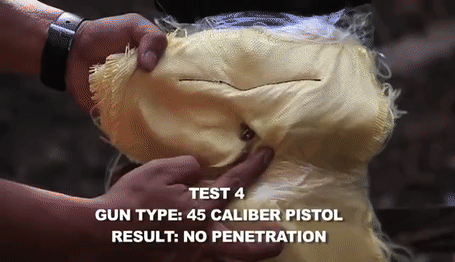
Kevlar, developed by DuPont in 1965 and commercialized in the 1970s, is the most recognized aramid brand. Its long molecular chains form strong inter-chain bonds that stop and spread the energy of a handgun round across the panel.
-
Ultra-High-Molecular-Weight Polyethylene (UHMWPE). Extremely long polyethylene chains that produce a lightweight, high-strength material with excellent ballistic resistance. UHMWPE has a better strength-to-weight ratio than aramid, which is why it has gained share in soft panels and in hard plate strike faces over the last decade. Dyneema, made by DSM (now part of Avient), is the dominant UHMWPE brand.
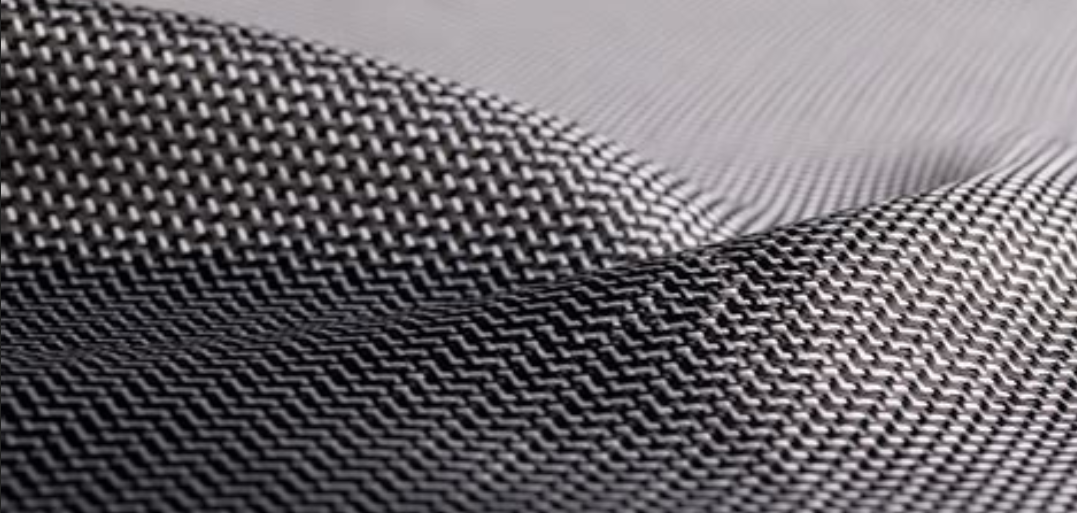
Woven and layered, these fibers absorb and distribute the energy of a projectile so it does not reach the body. Some bulletproof clothing also accepts ceramic or steel plates for hard-armor protection, but those are stand-alone hard-armor products inserted into pockets, not part of the soft panel itself.
Garment design matters too. Panels are cut with overlapping coverage at the seams to avoid weak points, and the carrier has to fit close to the body so a round cannot strike the panel at a glancing angle that opens a gap.
NIJ standards for body armor
The U.S. National Institute of Justice publishes the performance standards every commercial body armor manufacturer in this market tests against. NIJ does not certify products itself in the sense most consumers use the word. What NIJ does is publish a standard, run a Compliance Testing Program at approved labs, and maintain the Compliant Products List when a make and model passes. A vest is "NIJ Listed under 0101.06 [Level X]" when it appears on that CPL.

The active framework as of May 2026 is NIJ Standard 0101.06 (2008). Its successor NIJ 0101.07 was published November 29, 2023, alongside the companion threat-level spec NIJ 0123.00. The 0101.06 CPL was closed to new applications January 5, 2024 and final adjudications completed February 2025, but the existing CPL is maintained through at least end of CY 2027. No 0101.07 CPL has been published yet, so any vendor claiming "NIJ 0101.07 Certified" today is making a claim that no manufacturer can substantiate. The defensible phrasings are "designed to meet NIJ 0101.07 [HG/RF]X threat profile" or "tested to 0101.07 test parameters at [named NIJ-approved lab]."
NIJ classifies ballistic body armor into five threat levels under 0101.06: Level IIA, Level II, Level IIIA, Level III, and Level IV. The new NIJ 0101.07 nomenclature collapses and renames these as HG1 (was II), HG2 (was IIIA, with IIA eliminated), RF1 (was III), RF2 (defeats 5.56 M855 at ~3,115 ft/s, the historical Level III/IV gap), and RF3 (was IV). Level I has been off the market for decades; we do not recommend it even if you find a NOS panel.
Bulletproof clothing protection level: Level IIIA
Bulletproof clothing built into everyday garments rates between Level IIA and Level IIIA. Most stocked product on this site is IIIA (HG2 under 0101.07): coverage against 9 mm at 1,470 ft/s and .44 Magnum at 1,430 ft/s, plus every lower handgun threat. It does not stop rifle rounds. If you need rifle protection, a plate carrier with a III, RF2, or RF3 hard plate is the only honest answer. No shirt, hoodie, or backpack on the market does that job.
Some products carry "+" labels (IIIA+, III+) are manufacturer designations for testing against threats outside the standard NIJ test set, not part of NIJ Standard 0101.06 or 0101.07 nomenclature. Ask for the lab report when "+" appears.
Bulletproof clothing laws and regulations
United States regulations
In the United States, civilian purchase and possession of body armor is generally legal, with two important exceptions:
-
Convicted violent felons. Federal law (18 U.S.C. § 931) prohibits anyone with a violent-felony conviction from possessing body armor. Statutory maximum is three years imprisonment. There is an affirmative defense if a prior employer attests in writing that body armor is necessary for lawful employment.
-
State restrictions. New York effectively prohibits civilian purchase and possession (Penal Law §§ 270.20–270.22, expanded by Chapter 371 in 2022 to cover all body covering intended to protect against gunfire). Connecticut requires in-person, face-to-face transfer and a CT firearm or ammunition permit (Conn. Gen. Stat. § 53-341b, amended by Public Act 23-53 § 35 effective October 1, 2023). Bulletproof Zone does not ship body armor to NY or CT consumer addresses. Pending NY litigation, Heeter v. James, W.D.N.Y. 1:24-cv-00623, is in summary judgment briefing through end of June 2026 and may alter the NY landscape; we maintain a New York body armor law tracker for the case status. California (AB 92, eff. Jan 2024) extends the federal felon prohibition to anyone barred from firearm ownership, including specific misdemeanor domestic violence records. Louisiana (La. R.S. 14:95.9) prohibits possession on or within 1,000 ft of a school zone, with bullet-resistant student backpacks expressly exempt. See our state-by-state body armor law guide for the full picture.
International regulations
Bulletproof clothing law varies sharply by country. In the United Kingdom, civilians can purchase and possess body armor but the sale is regulated and a valid reason is required. In Australia, legality varies by state and territory, with some jurisdictions requiring a permit. In many other countries body armor is restricted to military, law enforcement, and licensed security personnel. Verify your local statute before importing. Customs seizures are common.
Purchasing and wearing considerations
Beyond legality, bulletproof clothing is a social and contextual decision. It can give you a real margin of safety in a high-risk moment and it can also draw uncomfortable attention in a workplace, a school pickup line, or a public event.

A few things worth thinking through before you wear it:
-
Discretion. A topcoat or hoodie that reads as ordinary clothing is the whole point of this category. If your panel is visible through the carrier or your jacket cuts oddly because the panel is too stiff, the concealment is broken.
-
Context. Wearing soft armor at a workplace, a school, or a private event may not be appropriate unless your role or threat picture justifies it. Some employers have policies; check yours.
-
Communication. If you wear armor in a setting where others might see or detect it, be ready to explain why and confirm you are inside applicable laws and policies.
Cost of bulletproof clothing

The cost drivers are panel material (UHMWPE costs more per square inch than aramid), garment construction and brand, plus whether the panel is NIJ Listed under 0101.06 vs. independently lab-tested only. Bulletproof Zone's stocked NIJ-Listed bulletproof clothing currently runs $300 to $1,500. The cheapest NIJ Listed IIIA tank tops sit around $300–$450; full topcoats and four-season jackets with full-wrap coverage run $700–$1,500.
Skimping is not "the jacket performs slightly worse." It is "the panel does not stop the round." Buy NIJ Listed under 0101.06 (or independently tested at a named NIJ-approved lab to 0101.06 parameters) or do not buy.
Choosing the right bulletproof clothing
Settle your threat picture and fit before you click buy; weight follows from the rating you choose.
Your threat level and use case
Be honest about what you are planning to defend against:
-
Occupation. Law enforcement and military roles set their own minimums; private security falls in between. Plainclothes work in public space sits squarely in the IIIA market.
-
Location. Crime rates and activity patterns in your area decide whether IIIA handgun protection is sufficient or whether you need a plate carrier for rifle threats.
-
Threat type. Match the rating to the round. Handguns up to .44 Magnum: IIIA. Rifle threats (5.56, 7.62x39, 7.62x51): hard plates rated III, RF2, or higher. Edged-weapon-only threat: stab vest under NIJ 0115.00.
Trade-offs between protection and comfort
Higher protection means more weight and bulk. The IIIA panels in stocked bulletproof clothing run roughly 1.5–4 lbs depending on coverage. UHMWPE/Dyneema panels run lighter than aramid for the same rating but typically cost more.
-
Pick the lowest rating that covers your real threat. A IIIA tank top you wear under a sweater every day beats a III hard plate that sits in the closet.
-
UHMWPE is lighter than aramid for the same NIJ rating. Aramid handles heat and abrasion better. Both are NIJ-tested when listed under 0101.06.
-
-
Concealability. A topcoat that hides a IIIA panel under a wool exterior carries differently than a fleece vest worn over a shirt. If you need true concealment, a tank top or full-shirt format hides better than a structured jacket.
Size and fit
Fit is not optional with body armor. A panel that sits too high leaves the abdomen exposed; a panel that hangs too low binds at the hips and pulls the front opening apart. Take chest and waist measurements plus a back-length measurement and check them against the manufacturer's sizing chart, not a generic apparel size. Most stocked options use Velcro shoulder and waist straps so the panel can be tightened to body, which matters more than a perfect off-the-rack chest measurement.
Maintenance and care for bulletproof clothing
Soft armor degrades. The aramid or UHMWPE panel has a finite working life and the carrier garment ages independently. A short discipline list extends both:
-
Cleaning. Follow the manufacturer's instructions. Most ballistic panels remove and the carrier washes on cold delicate. Wipe the panel with mild soap and water; harsh chemicals or bleach degrade the fibers.
-
Storage. Cool, dry, out of direct sun. UV and high heat shorten panel life. Do not fold along the same crease for years; store flat or hung.
-
Inspection. Check panel and carrier for fraying or deformation each quarter and after heavy use. Contact the manufacturer if you see damage or moisture intrusion.
-
Replacement. NIJ-Listed soft panels carry a five-year manufacturer warranty. Plan around that as the lifespan. After year five the manufacturer will not stand behind the panel and there is no defensible way to confirm it still meets 0101.06 parameters without retest.
Bulletproof clothing by demographic
Stock-on-hand at Bulletproof Zone splits across kids, women, and men. The demographic mostly drives carrier cut and size range. The panel itself (IIIA aramid or UHMWPE) is the same protection class across all three.
Bulletproof clothing for children
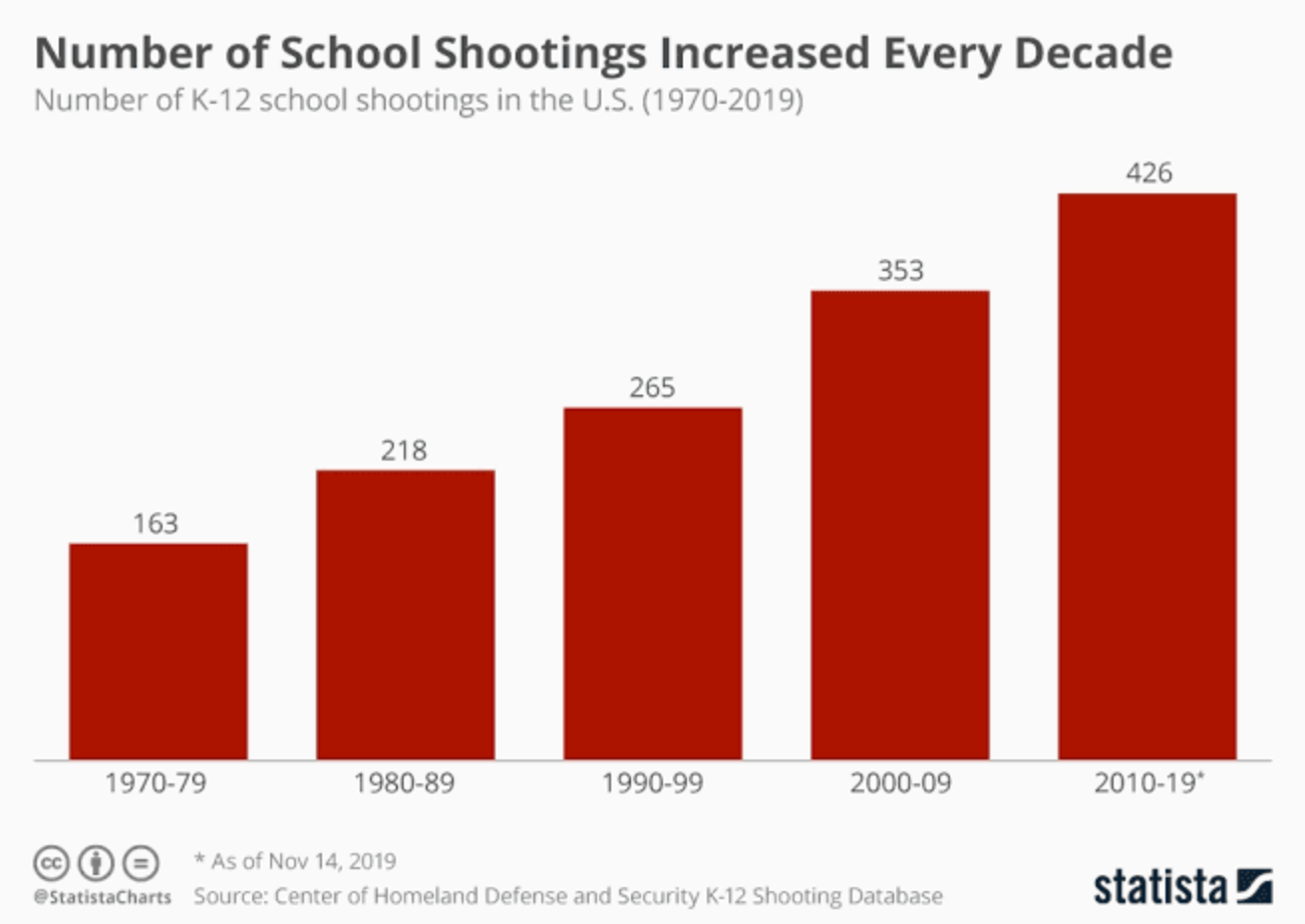
Children's bulletproof gear is a category that exists because of school violence statistics, not because anyone wanted it to exist. Coverage runs IIA to IIIA, in formats designed to be lightweight and inconspicuous (jackets, hoodies, vests, backpacks).
Kids' bulletproof clothing for everyday wear
Everyday-wear options for kids should disappear into the closet. No hard panels, no obvious bulk, no tactical-cosplay aesthetic.
Our pick: Bulletblocker Bulletproof Youth Nylon Jacket.
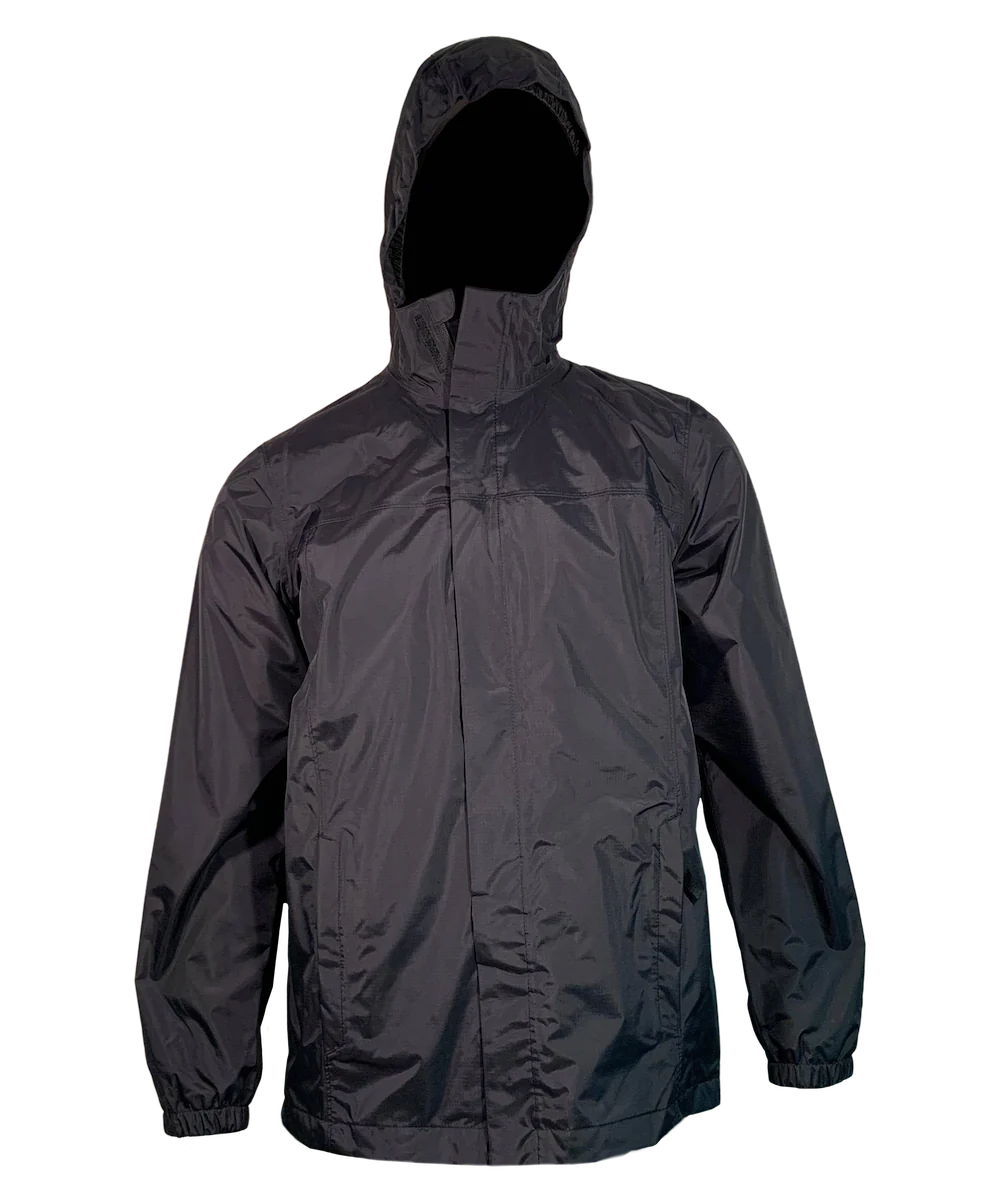
The youth nylon jacket meets NIJ IIIA test parameters and stops 9 mm, .357 Magnum, .44 Magnum, and .45 hollow point. The waterproof seam-sealed carrier has a moisture-wicking polyester mesh lining. DuPont aramid panels remove via interior zipper so the jacket machine-washes normally. A full-wrap option adds overlapping side coverage. The jacket weighs about 3 lbs and includes elastic cuffs, a stowable hood, and a Velcro storm flap. The carrier reads as a normal kids' nylon shell. That is the entire point.
Bulletproof backpacks for kids
Bulletproof backpacks add a layer of protection without the social weight of a vest worn under a school uniform.
Our pick: Atomic Defense Bulletproof Backpack for Kids.

The Atomic Defense pack ships with a removable insert in three protection options: NIJ III, NIJ III+ (a manufacturer designation, not part of 0101.06 nomenclature), and NIJ IIIA. Atomic Defense is one of the more aggressive marketers in the niche; verify the exact panel rating against the lab report before relying on the III or III+ label, particularly for a child-carry use case. The pack comes in 14 Vaschy patterns with a padded back panel, an adjustable chest strap, and an insert that transfers between bags. Atomic Defense's "lifetime warranty" applies to the bag, not the ballistic panel. Soft armor lifespan is not lifetime.
Bulletproof clothing for cold weather
Cold-weather options put the IIIA layer inside an insulated vest or jacket so it doubles as a winter layer.
Our pick: Israel Catalog Lightweight Level IIIA Bulletproof Vest for Children.
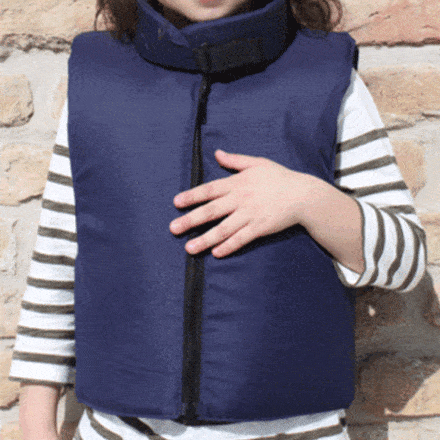
The Israel Catalog kids' vest carries removable IIIA ballistic panels, weighs 4.2 lbs total, and uses a waterproof Cordura outer that resists UV and tearing. The stand-up collar adds insulation; the cut allows full arm movement. The panel is independently tested to IIIA test parameters; verify the lab report at order if you need a model on the 0101.06 CPL.
Bulletproof clothing for women
Bulletproof outerwear for women
Women's bulletproof outerwear at Bulletproof Zone runs from concealable hoodies to formal vests. The Wonder Hoodie line is the strongest seller in the category because the Velcro adjustment lets one hoodie fit a wide range of body types without losing concealment.
For everyday wear: Wonder Hoodie NIJ Level IIIA Bulletproof Hoodie (with removable head protection).

The Wonder Hoodie carries a removable IIIA aramid panel in the torso plus a separate removable IIIA panel in the hood for on-demand head coverage. The 50/50 polyester-cotton fleece carrier adds slash resistance. Velcro shoulder and waist straps close the carrier tight to body. The hood panel is the Wonder Hoodie signature; most competitors in this slot miss the head entirely.
For an extra layer of protection: Wonder Hoodie NIJ IIIA Bulletproof Pants.

The matching IIIA pants cover the femoral arteries and groin plus the lower back. Total pants weight runs 3–4 lbs depending on size; the unisex cut runs through women's and men's sizing. Removable panels let the carrier wash on a delicate cycle. Knees and calves are uncovered to keep mobility usable.
Bulletproof innerwear for women
If outerwear is not the use case, IIIA tank tops and ballistic vests sit under regular clothing. Two stocked options:
For warm weather: MC Armor Female Perfect Tank Top.
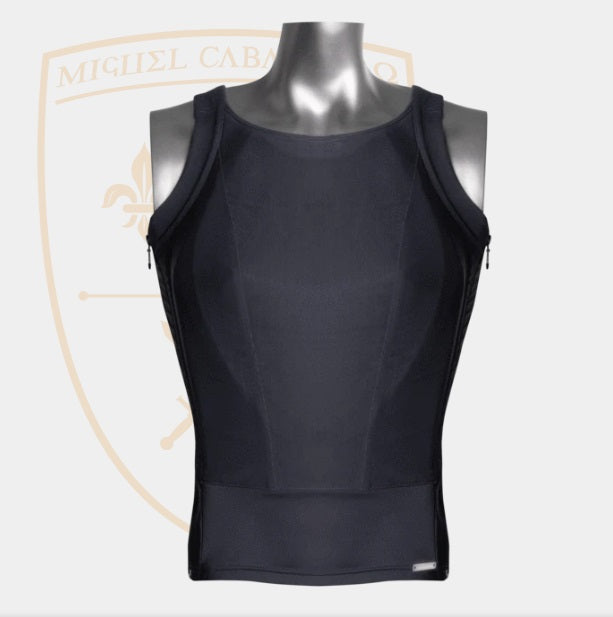
About 3 lbs total. IIIA front and back coverage. Dual full-opening side zippers let you put the tank on without going over the head, which matters with a stiff panel. Breathable mesh fabric and quick-drying synthetic. Worn under a t-shirt the tank reads as a regular compression top.
For cooler climates: BulletBlocker Bulletproof Women's Fortress Fleece Vest.

Polyester fleece carrier with a stand-up collar that insulates when zipped. BulletBlocker custom-builds each vest in-house to measurements you provide at order, which is the cleanest fit you will get without going custom-tailored. The carrier is machine-washable; the IIIA panel is removable.
Bulletproof clothing for men
Men's bulletproof clothing is overwhelmingly NIJ Level IIIA. IIIA matches the actual handgun threat profile of typical civilian-self-defense scenarios and stays comfortable enough to wear daily. Anything heavier (rifle threat) requires a plate carrier.
Casual bulletproof clothing for men
The casual side of the men's category is dominated by jackets that look like flight jackets, field coats, or trucker jackets, with the panel sewn into the lining.
For the frequent traveler: Israel Catalog Level IIIA Lightweight Bullet Proof Flight Jacket.

The Israel Catalog flight jacket runs the same panel system the manufacturer supplies to Israeli security contractors. Removable IIIA soft panels sit in front and rear pockets so you can move panels between garments. Coverage against .357 SIG, .44 Magnum, 10mm Auto, and 7H21 (Russian armor-piercing pistol round, an unusual inclusion most U.S. flight jackets do not advertise).
Formal bulletproof clothing for men
Formal events have a different problem: a panel under a tuxedo will print badly. The carrier has to look right for the room. Bulletblocker's wool topcoat and sportscoat lines are the strongest stocked options here.
For the suave gentleman: Bulletblocker NIJ IIIA Bulletproof Men's Wool Topcoat.

Black or charcoal, single-breasted, notched collar. 38-inch length, modern fit, polyester lining. The full-wrap option overlaps front and rear panels for added side coverage. IIIA panel inside a removable DuPont aramid liner; coverage against .357 Magnum, .44 Magnum, 9 mm, and .45 hollow point. The wool exterior reads as a normal business topcoat.
For the dapper chap: Bulletblocker Level IIIA Bulletproof Sportscoat.

Lighter and shorter than the topcoat. Fitted midsection, side vents, notched lapel, two front buttons. Removable DuPont aramid liner for cleaning. Full-wrap option with overlapping front and back panels for additional coverage. Use case is the daytime business event where a topcoat is too heavy and a hoodie is wrong.
Frequently asked questions
What is the highest NIJ level for bulletproof clothing?
NIJ Level IIIA (HG2 under 0101.07) is the highest rating you will find in commercial bulletproof clothing. IIIA stops 9 mm at 1,470 ft/s, .44 Magnum at 1,430 ft/s, and every lower handgun threat. For rifle protection (Level III/RF1, RF2, or IV/RF3) you need a plate carrier with rigid plates. Those ratings do not exist in soft, garment-style bulletproof clothing.
Is bulletproof clothing legal to buy as a civilian?
In most U.S. states, yes. Federal law (18 U.S.C. § 931) prohibits anyone with a violent-felony conviction from possessing body armor. New York effectively bans civilian purchase and possession; Connecticut requires in-person, face-to-face transfer with a CT firearm or ammunition permit. California adds restrictions for those barred from firearm ownership (AB 92), and Louisiana prohibits possession in school zones (La. R.S. 14:95.9). Verify your state statute before purchase.
Can bulletproof clothing stop a rifle round?
No. Soft armor up to IIIA is rated for handgun threats only. Rifle rounds (5.56 NATO at ~3,000 ft/s, 7.62x51 at ~2,780 ft/s, 7.62x63 M2 AP at ~2,880 ft/s) cut through aramid and UHMWPE soft panels regardless of layer count. Rifle protection requires a hard plate rated NIJ Level III, RF2 (the new 0101.07 intermediate-rifle tier), or IV/RF3, all of which sit in plate carriers, not in clothing.
How long does bulletproof clothing last?
Most NIJ-Listed soft panels carry a five-year manufacturer warranty. After that the manufacturer will not stand behind the panel and there is no defensible way to confirm it still meets 0101.06 parameters without retest. Heat and UV shorten panel life; moisture and folded storage do too. Inspect quarterly and replace by year five.
What is the difference between Kevlar and Dyneema?
Kevlar is DuPont's aramid fiber. Dyneema is DSM's UHMWPE fiber. Both are tested under the same NIJ 0101.06 framework. Dyneema (UHMWPE) has a better strength-to-weight ratio, so panels are typically lighter for the same rating. Kevlar (aramid) handles heat and abrasion better and tends to cost less per square inch. Both materials are NIJ-Listed when the finished panel passes Compliance Testing. The fiber brand alone is not the certification.
Will bulletproof clothing show up on a metal detector?
Soft aramid and UHMWPE panels do not contain ferrous metal, so they do not trigger standard walk-through metal detectors. The carrier garment may have metal hardware (zippers, snaps) that does. Add-on hard plates (steel especially) will trigger detectors. Concealable IIIA tank tops and topcoats are typically the most metal-detector-friendly options in this category.
Does NIJ Level IIIA stop a 9 mm at point-blank range?
NIJ Level IIIA is tested against 9 mm at 1,470 ft/s, which exceeds typical 9 mm muzzle velocity at any practical range. So in test-spec terms, yes. Real-world variables (panel age, panel orientation, round angle, multiple impacts in the same area) all degrade performance. Backface deformation — the blunt-trauma "punch" the panel transmits even when the round is stopped, can cause significant injury and is regulated under 0101.06 to a maximum of 44 mm.
Can I wash my bulletproof clothing?
The carrier garment, yes (cold-water delicate; instructions vary by brand). The ballistic panel itself, no. Remove the panel before washing and wipe it with mild soap and water; never machine-wash or bleach a panel. Bleach and harsh solvents degrade aramid fibers; repeated hot-water exposure can shift UHMWPE mechanical properties. Air-dry both pieces after wiping.
Making an informed decision
Bulletproof clothing earns its keep in one moment most owners hope never arrives. Start with an honest threat picture (handgun in IIIA, rifle in a plate carrier), buy NIJ-Listed product that fits under your daily clothing, and keep the panel inside its five-year warranty window.

Browse the adult bulletproof clothing collection or all bulletproof clothing for kids and accessories.
Key takeaways:
- Bulletproof clothing is everyday-looking apparel built around NIJ Level IIIA (HG2) aramid or UHMWPE panels. It stops handgun threats, not rifle rounds.
- NIJ Standard 0101.06 is the active framework; 0101.07 (published Nov 29, 2023) is the successor, but no 0101.07 CPL has been published as of May 2026.
- Federal law bars violent felons from possessing body armor; New York effectively bans civilian sales, Connecticut requires in-person transfer with a permit. BPZ does not ship to NY or CT consumer addresses.
- Stocked NIJ-Listed bulletproof clothing runs $300–$1,500 depending on coverage, garment construction, and panel material.
- Soft armor lifespan is five years per manufacturer warranty. Inspect quarterly, replace on schedule, never wash the panel itself.
Disclaimer: This article is for informational purposes only and does not, and is not intended to, constitute legal advice. Body armor laws change frequently at both federal and state levels. Consult a licensed attorney in your jurisdiction before relying on any information presented here. Bulletproof Zone makes no claim that body armor will provide complete protection in any scenario; no body armor is bulletproof. Last verified against published statutes and the NIJ Compliant Products List on May 2026.
Federal law (18 U.S.C. § 931) prohibits possession of body armor by anyone convicted of a violent felony. State restrictions vary; New York and Connecticut have the most stringent civilian-purchase restrictions. Bulletproof Zone does not ship body armor to New York or Connecticut consumer addresses. Pending litigation (Heeter v. James, W.D.N.Y. 1:24-cv-00623) may alter New York's regulatory landscape; the case is in summary judgment briefing through end of June 2026. Last reviewed: May 2026.
Performance characterizations referenced in this article are based on the manufacturer's NIJ test parameters and/or independent laboratory testing as cited inline. NIJ does not "certify" body armor; products that pass the Compliance Testing Program are issued a Notice of Compliance and listed on the NIJ Compliant Products List. Models referenced as "tested to NIJ standards" have not necessarily completed the CTP. Verify CPL status at https://nij.ojp.gov/topics/equipment-and-technology/body-armor/ballistic-resistant-armor before purchase.
"+" rating disclosure: ratings such as IIIA+, III+, and NIJ III+ are manufacturer designations and are not part of the NIJ Standard 0101.06 or 0101.07 nomenclature. Ask the manufacturer for the lab report and confirm the testing lab is NIJ-approved before relying on a "+" claim.