


Best Ceramic Body Armor: Buyer's Guide 2026

Quick answer: The best ceramic body armor combines a ceramic strike face (aluminum oxide, silicon carbide, or boron carbide) with a UHMWPE backer, rated NIJ Level III or IV under Standard 0101.06. A quality single plate runs $150 to $500 and weighs 4 to 8 lbs. Ceramic stops armor-piercing rifle rounds without the spalling risk that makes steel plates dangerous at close range.
Ceramic body armor has been the US military's issued hard armor since the Vietnam era, and it's still the default choice for civilian plate carriers in 2026. Unlike steel, ceramic defeats incoming rounds by fracturing on impact — it crumbles the projectile before it can penetrate, rather than deflecting it. That distinction matters whether you're in law enforcement or building a home-defense loadout as a prepared civilian.
What is ceramic body armor?
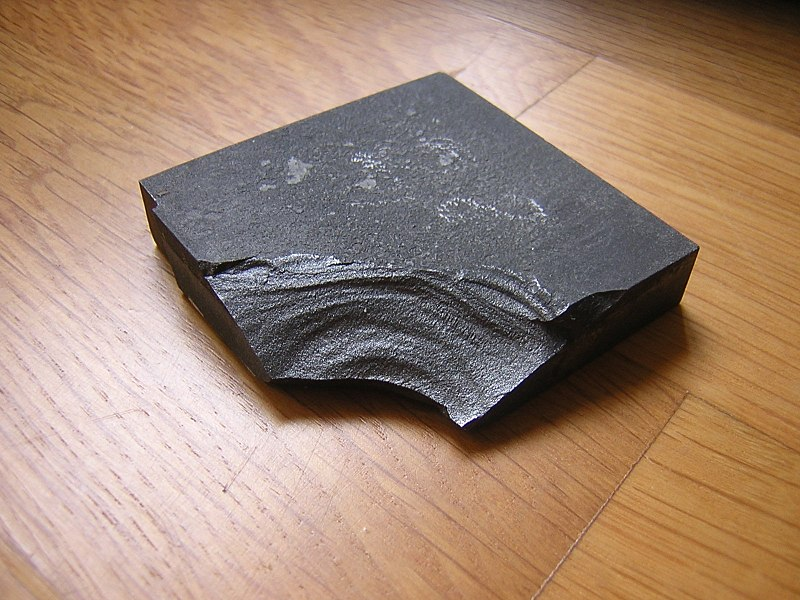
Ceramic body armor is a hard armor plate that uses a ceramic strike face to defeat rifle-caliber rounds. Through the early 1990s, ceramic plates were monolithic — one solid slab. Modern plates are composites: a ceramic strike face bonded to an Ultra-High Molecular Weight Polyethylene (UHMWPE) backer. The ceramic shatters the incoming projectile on contact; the UHMWPE backer catches the fragments and keeps backface deformation within NIJ tolerance.
Most plates at Bulletproof Zone use this composite construction. Standalone ceramic without a UHMWPE backer is rare on the civilian market and mostly shows up in legacy or specialty military-issue gear.
What types of ceramic are used in body armor?
Three ceramic compounds dominate modern armor plates, in order of hardness and price:
Aluminum oxide (Al₂O₃) -- alumina
The most widely used ceramic in ballistic plates. Alumina matches sapphire in hardness (Mohs 9), which makes it exceptionally effective against rifle rounds. It's the heaviest of the three ceramics, but also the most affordable and least prone to brittle fracture. Most entry-level to mid-range ceramic plates are built around alumina.
Silicon carbide (SiC)
Harder and roughly 15% lighter than alumina, silicon carbide shows up most often in mid-range to premium plates — it's the same compound that coats industrial cutting tools. A silicon carbide plate rated NIJ Level IV under 0101.06 typically weighs 6 to 7.5 lbs in a 10x12 shooter's cut.
Boron carbide (B₄C)
The third-hardest substance known (behind diamond and cubic boron nitride), boron carbide is 30% lighter than alumina and reserved for premium, high-cost plates. RMA Defense uses boron carbide in its #1155 Level IV plate to keep the 10x12 plate under 7 lbs while holding an NIJ Listed rating under 0101.06.
Ceramic vs. steel armor: which is better?
Steel and ceramic solve the same ballistic problem through opposite mechanisms. Steel deflects; ceramic destroys. For most civilian applications, ceramic wins on almost every dimension — the real tradeoffs are upfront cost and shelf life.
| Factor | Steel plates | Ceramic plates |
|---|---|---|
| Weight (10x12, Level III) | ~8 lbs | 4 to 6 lbs |
| Spalling risk | High -- fragments ricochet off strike face | None -- UHMWPE backer traps fragments |
| Multi-hit | Good (same zone), better than ceramic | Good (spaced impacts); single zone failure after direct hit |
| Backface deformation | Lower BFD | Higher BFD -- mitigated by backer material |
| Service life | 15 to 20 years | 5 to 7 years average |
| Cost (single plate) | $60 to $150 | $150 to $500+ |
The spalling issue with steel isn't theoretical. AR500 Armor's own product pages acknowledge spalling risk and recommend a trauma pad or spall coating on any steel plate used in a real threat scenario. Ceramic eliminates that failure mode entirely.

One thing worth knowing about ceramic: a plate dropped from waist height onto concrete can develop micro-fractures that are completely invisible to the eye. Those fractures don't necessarily kill the plate outright, but they concentrate stress at impact points and degrade multi-hit performance. You can't drop-test your own plate without destroying it. The practical rule is simple — treat any dropped ceramic plate as one that needs manufacturer inspection before you trust your life to it.

How did ceramic armor become the military standard?
The T65 plate carrier vest, introduced in 1965, deployed alumina ceramic "chicken plates" in Vietnam to protect helicopter crews from ground fire. The ceramic inserts were cumbersome and pilots complained about the added weight on long sorties, but the data from that deployment was striking enough to accelerate development. According to period military analyses, the T65 program measurably reduced pilot fatalities and non-lethal injuries during the Vietnam deployment.
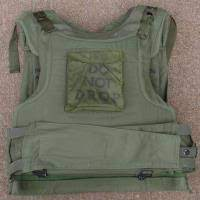
It would be another three decades before boron carbide ceramic was fielded for US ground troops at scale. The Interceptor Body Armor system, introduced in the late 1990s, used boron carbide Small Arms Protective Insert (SAPI) plates and became standard-issue hard armor across all military branches. Ceramic has been the default ever since — fielded by tactical police units, special response teams, and millions of prepared civilians.
How is RMA Defense advancing ceramic armor?
Blake Waldrop, an ex-Marine and former peace officer, founded RMA Armament in Centerville, Iowa in 2013 after losing a Corps member to a roadside bomb. His design approach was unconventional: instead of a monolithic ceramic strike face, he used a 22-tile array. When a round strikes one tile, the crack stays contained to that section and doesn't propagate across the plate. The rest of the plate stays structurally intact for additional hits.
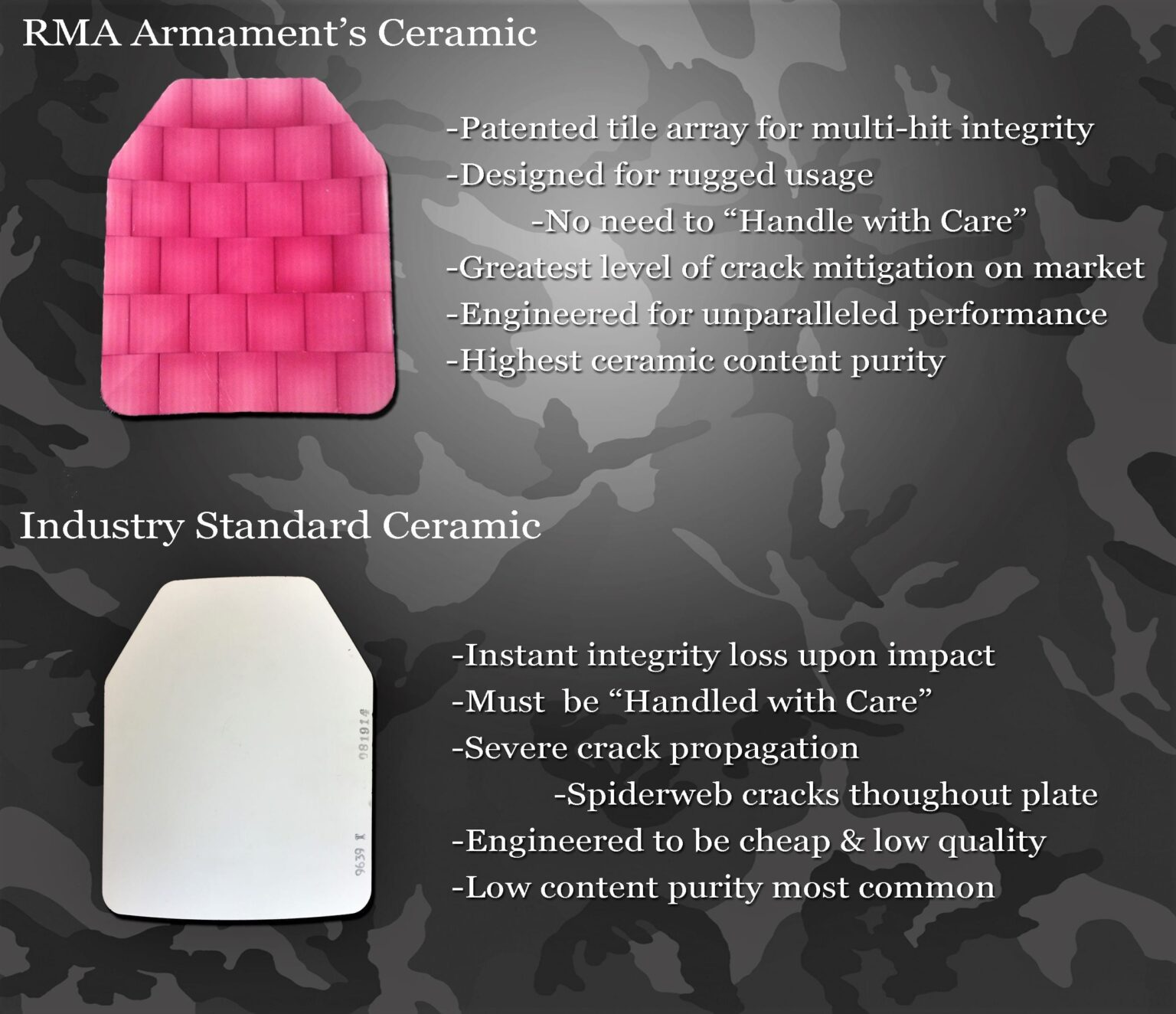
RMA now supplies ceramic plates to foreign military units, domestic police departments, government agencies, and civilians. Everything from R&D to quality control runs in-house at the Centerville facility. We asked the RMA team three questions:
How has your approach to ceramic plate development evolved, and what sets you apart from competitors?
Being smaller than a lot of the huge defense contractors has its advantages. Because of our civilian-facing e-commerce business, we've been able to rapidly R&D new materials and products. We've tried a lot of different things, but the one thing that has always ensured the best results has been 100% American-made strike faces.
Can you share any real-life examples of RMA plates protecting people?
A lot of people contact us out of Ukraine about our plates protecting them from bullets and shrapnel. Most recently, a California man experienced a home invasion. After donning his RMA 1155 plates, he managed to scare the armed intruder off. At some point along the way, his front plate defeated a .380 impact.
What should buyers expect from RMA in the next product cycle?
Looking to the future, you can expect RMA to trim the fat on upcoming products and expand our fitment profiles. We're looking to diversify our product portfolio to create more thin and light end-user specific solutions outside of NIJ standards. You can also expect to see more Level III+ body armor.
Note: Level III+ is a manufacturer designation — it's not part of the NIJ Standard 0101.06 or 0101.07 threat-level nomenclature. It typically signals a plate tested beyond the Level III threat matrix but below the Level IV (RF3) threshold. Worth knowing when you're comparing specs across brands.

How do you choose the right ceramic plate?
Three variables decide the right plate for most buyers: threat level, weight, and budget. Get these aligned before you start comparing brands or models.
Threat level and NIJ rating
Match your plate to the highest realistic threat in your environment. Ceramic plates sold for civilian use are primarily rated under NIJ Standard 0101.06:
- Level III (now mapped to RF1 under the draft 0101.07 nomenclature): defeats 7.62x51mm NATO M80 ball at 2,780 fps and all lower-velocity rifle and handgun rounds. A standard-threat plate for most civilian scenarios.
- Level IV (RF3 under 0101.07): defeats .30-caliber armor-piercing (M2 AP) at 2,880 fps. You'll want this if your threat environment includes AP ammunition or high-velocity 5.56 M855.
Any plate on the NIJ Compliant Products List (CPL) has passed the Compliance Testing Program and is NIJ Listed under 0101.06. Verify CPL status at nij.ojp.gov before you buy. As of May 2026, no ceramic plates carry a formal NIJ listing under the new 0101.07 standard; the CPL for 0101.07 hasn't been published yet.
For more on how the old Level III/IV designations map to the new HG/RF threat-profile system, see our NIJ protection levels guide.
Weight
A Level III alumina plate in a standard 10x12 shooter's cut runs 5 to 6.5 lbs. A Level IV boron carbide plate in the same cut runs 6 to 7.5 lbs. Add the weight of your plate carrier (2 to 4 lbs for most MOLLE/PALS designs), front and back plates, and side plates if applicable, and total system weight can reach 20 to 25 lbs for a full setup. If you're wearing the carrier for more than two hours, that weight compounds fatigue faster than most buyers expect when they're comparing specs on a screen.
Cost
A single NIJ Listed Level III ceramic plate from a reputable manufacturer runs roughly $150 to $350. A Level IV plate runs $200 to $500 per plate. Paired sets for a plate carrier (front and back) land between $400 and $1,000 for most buyers at Bulletproof Zone. Specialty thin-and-light plates using high-purity boron carbide can exceed $600 per plate. The RMA #1155 Level IV sits at the mid-range of this bracket with consistent CPL verification.
The Bulletproof Zone RMA catalog includes the RMA #1155 — the top-selling Level IV plate on the site — and the RMA #1192 multi-curve, which is the preferred option for law enforcement buyers who need a contoured fit over soft armor. Both are NIJ Listed under 0101.06 Level IV and manufactured in Centerville, Iowa.
Frequently Asked Questions
What is the best ceramic body armor for civilians?
For most civilian buyers, an NIJ Listed Level III ceramic plate covers the realistic threat envelope at the lowest weight and cost. The RMA #1155 (Level IV, boron carbide, ~6.8 lbs, NIJ Listed under 0101.06) is the best single plate on the Bulletproof Zone catalog if you want IV-rated protection without giving up too much mobility. Level IV is warranted if your threat environment includes .30-caliber AP rounds or M855 5.56 penetrator.
How long does ceramic body armor last?
Most ceramic plates carry a 5-year manufacturer warranty and a rated service life of 5 to 7 years from date of manufacture. That assumes correct storage — dry, room temperature, flat or in original packaging — and no significant drops or impacts. A plate that's taken a hard fall or an actual ballistic impact should be retired regardless of calendar age. Check the lot date stamped on the back surface of your plate; manufacturers print it there.
Can ceramic body armor stop rifle rounds?
Yes. NIJ Level III ceramic plates defeat 7.62x51mm NATO M80 ball at 2,780 fps per the 0101.06 test protocol, along with lower-velocity threats. Level IV ceramic plates additionally defeat .30 M2 AP at 2,880 fps. Neither level is designed to stop every possible rifle cartridge — high-velocity armor-piercing rounds above the rated threshold are a known limitation. Verify the specific threat matrix for any plate you purchase against the NIJ CPL test parameters.
Is ceramic or steel body armor better?
For civilian and law enforcement use, ceramic is the better choice in most scenarios. It's lighter (4 to 6 lbs vs. 8 or more lbs for a comparable steel plate), it eliminates spalling risk entirely, and it defeats AP rifle rounds that steel plates deflect rather than stop. Steel has a longer shelf life (15 to 20 years vs. 5 to 7 for ceramic) and a lower entry cost — those are real advantages. But if you're wearing armor in an active-threat scenario, ceramic is the right call.
What does NIJ Level IV ceramic body armor stop?
Under NIJ Standard 0101.06, a Level IV plate must defeat a single shot of .30 M2 AP at 2,880 fps without penetration and maintain backface deformation within 44mm. It also defeats all Level III threats (7.62x51mm NATO at 2,780 fps) and lower-velocity handgun calibers. The equivalent threat profile in the draft 0101.07 nomenclature is RF3. Level IV doesn't guarantee defeat of every rifle cartridge at every velocity — check the specific test parameters on the NIJ CPL entry for any plate before you rely on it.
Does ceramic body armor expire?
Yes. Ceramic plates degrade over time from micro-cracking caused by thermal cycling, humidity, and minor mechanical stress. The industry standard service life is 5 to 7 years from date of manufacture. Some manufacturers recommend inspection at 5 years and retirement at 7 regardless of visible condition. Don't rely on a ceramic plate past its rated service life in a real-threat scenario, even if it looks fine on the outside.
Key takeaways:
- Ceramic body armor uses a ceramic strike face (alumina, SiC, or boron carbide) bonded to a UHMWPE backer to defeat rifle rounds without spalling.
- Level III ceramic defeats 7.62x51mm at 2,780 fps; Level IV adds .30 M2 AP at 2,880 fps. Both ratings are under NIJ Standard 0101.06 -- no ceramic plates are listed under the new 0101.07 standard as of May 2026.
- Ceramic is lighter and safer than steel for active-threat use, but costs more and expires in 5 to 7 years. Steel lasts 15 to 20 years but spalls.
- The RMA #1155 (Level IV, boron carbide, ~6.8 lbs, NIJ Listed 0101.06) is the top-selling ceramic plate at Bulletproof Zone for buyers who need IV-rated rifle protection without excessive weight.
- A dropped ceramic plate may have invisible micro-fractures. Treat any dropped plate as suspect until inspected by the manufacturer.
Disclaimer: This article is for informational purposes only and does not, and is not intended to, constitute legal advice. Body armor laws change frequently at both federal and state levels. Consult a licensed attorney in your jurisdiction before relying on any information presented here. Bulletproof Zone makes no claim that body armor will provide complete protection in any scenario; no body armor is bulletproof. Last verified against published statutes and the NIJ Compliant Products List on May 2026.
Performance characterizations referenced in this article are based on the manufacturer's NIJ test parameters and/or independent laboratory testing as cited inline. NIJ does not "certify" body armor; products that pass the Compliance Testing Program (CTP) are issued a Notice of Compliance and listed on the NIJ Compliant Products List. Models referenced as "tested to NIJ standards" have not necessarily completed the CTP. Verify CPL status at https://nij.ojp.gov/topics/equipment-and-technology/body-armor/ballistic-resistant-armor before purchase.