


Who Wears Body Armor? Every Group Explained (2026)

Quick answer: Body armor is worn by law enforcement officers, military personnel, security guards, correctional officers, EMTs, and a growing number of civilians, including students, executives, recreational shooters, and people in high-crime areas. Under 18 U.S.C. § 931, any US adult with no violent felony conviction can legally purchase and wear body armor in 48 states.
Most people picture a police officer or soldier when they think of body armor. That picture is accurate as far as it goes, but it stops well short of who actually buys and wears bullet-resistant gear today. The range is broader than you probably expect, and depending on your situation, you might already have a good reason to own a vest.
Who wears body armor professionally?
These are the groups you'll see in it every day, often because their employer requires it or because their risk level makes it non-negotiable.
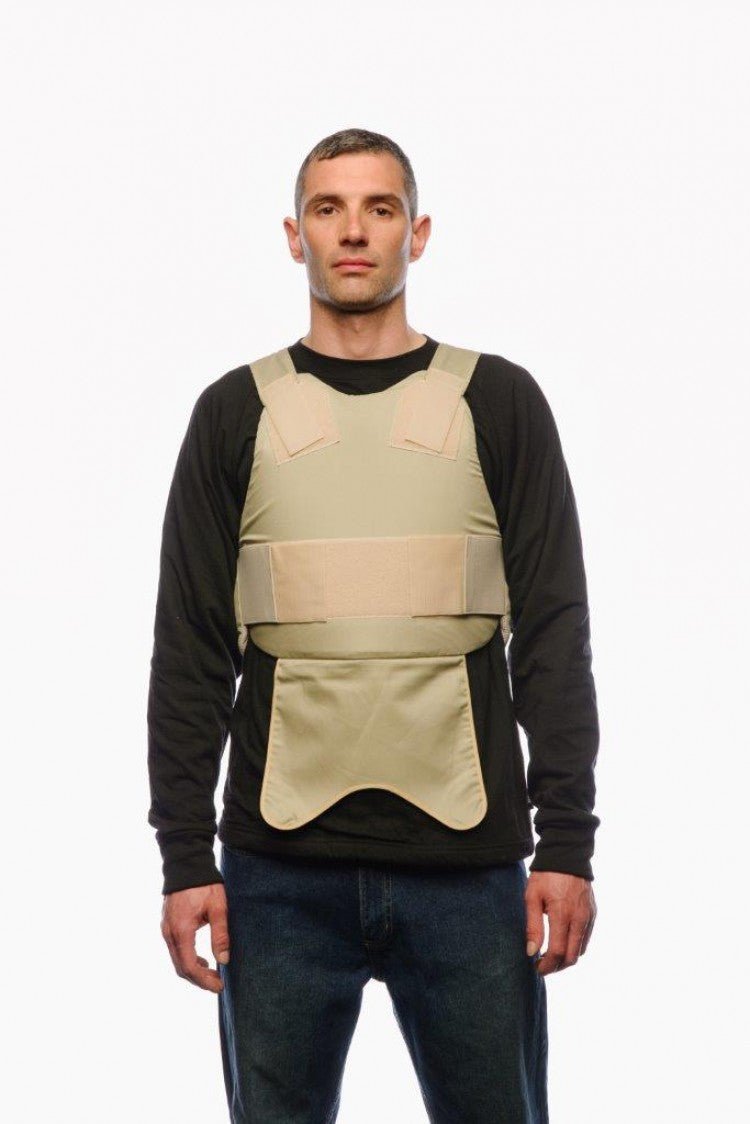
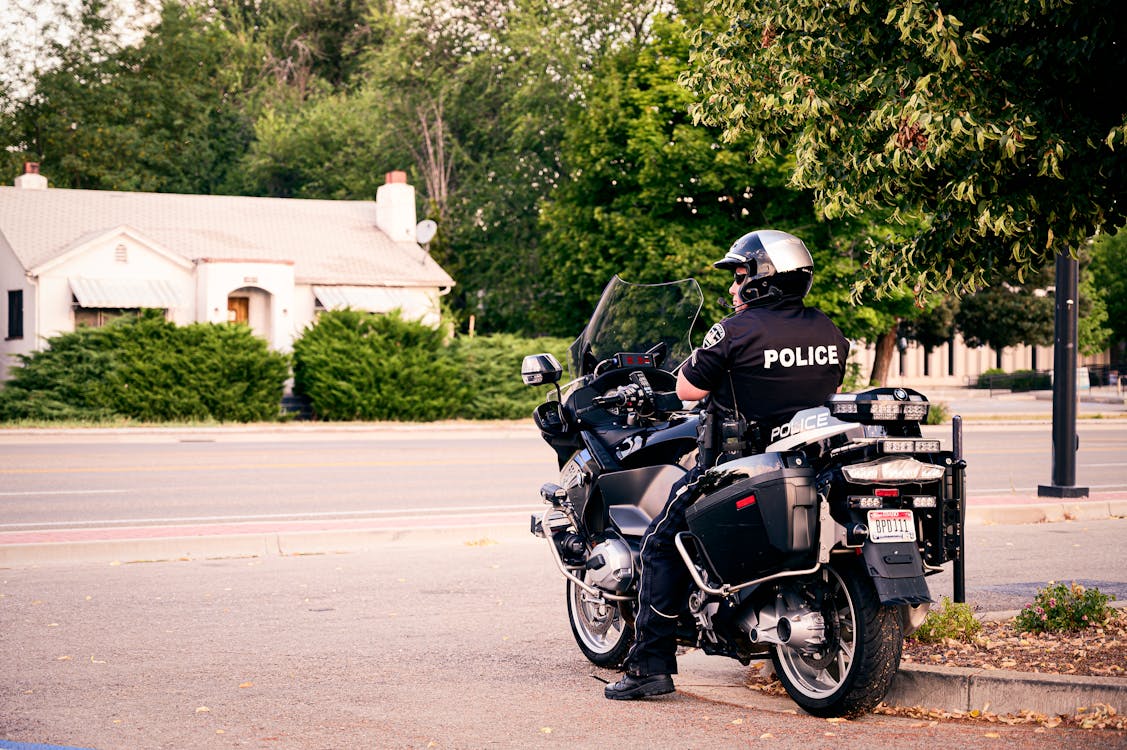
Law enforcement officers. Since 1978, more than 3,000 officers have survived gunfire because they were wearing a bullet-resistant vest, according to the International Association of Chiefs of Police. Most patrol officers wear soft armor rated NIJ Listed under Standard 0101.06 at Level IIIA, enough to defeat 9mm and .44 Magnum handgun rounds. The vests also absorb some blunt-force impact in vehicle accidents, which is a non-trivial benefit given how often officers are involved in traffic stops and pursuits.
Military personnel. Armed forces use both soft armor inserts and hard plate carriers rated to stop threats from handgun rounds up through large-caliber armor-piercing rifle ammunition and fragmentation from explosions. Modern military systems mix a Level IIIA soft backer ICW (in conjunction with) a rifle-rated ceramic or polyethylene strike face, a configuration that covers both the fragmentation and direct-fire threat profiles soldiers face.
Security guards and correctional officers. Prison officers face a different threat profile than street cops. The real danger is not gunfire; it is improvised edged weapons. Sharpened metal, broken plastic, and improvised blades are common in correctional environments, and a standard ballistic vest will not reliably stop a dedicated stab or spike attack. Multi-threat vests that meet both ballistic and stab-resistance ratings are the standard choice here. A colleague who ran security at a Level 4 facility in California in 2019 told me the vest saved him during an inmate attack; he walked away with bruising where a ballistic-only vest would have been penetrated.
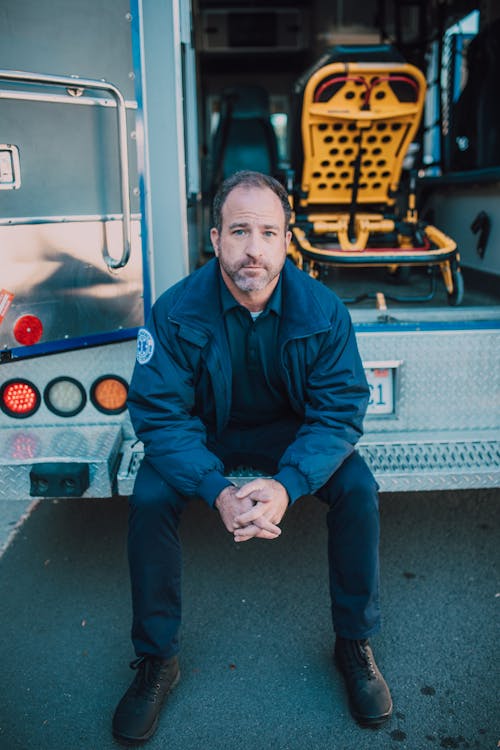
Emergency medical teams. A 2016 survey found that roughly 3,600 American EMS workers sought medical treatment for injuries caused by work-related violence. That number pushed more agencies to equip paramedics and EMTs with multi-threat vests that handle both ballistic and edged-weapon threats. It is now standard issue in many urban EMS departments.
Cash-handling occupations. Bank workers, armored car guards, bail enforcement agents, and even convenience store clerks who handle large cash transactions are at elevated robbery risk. A concealable Level IIIA soft vest under a work shirt does not show and weighs around 1.5 to 2.5 lb depending on panel size, a manageable addition to a workday in a high-risk environment.

Federal agency personnel and airport security. Staff at agencies like the Department of Homeland Security, along with TSA officers at certain airports, may wear soft armor when their threat assessment warrants it. This is situational rather than universal, driven by specific security contexts rather than daily patrol requirements.
Why are civilians wearing body armor?
The civilian market has grown meaningfully over the past decade. This is not paranoia; it is a calculated response to documented risk, and the range of people making that decision has widened considerably.
Hunters and recreational shooters. Friendly-fire incidents and ricochets are rare but they happen, and some hunters wear soft armor as a precaution on high-pressure drives where multiple people are moving through dense cover. Body armor also provides blunt-force protection, relevant for anyone who hunts large game that can turn aggressive.

People concerned about mass casualty events. In 2020, there were over 600 mass shooting incidents in the United States. These events target crowded spaces including concerts, campuses, and shopping centers. A concealable Level IIIA vest rated NIJ Listed under 0101.06 worn under a T-shirt adds no visible profile and weighs under 3 lb. That is a real calculation some people make.

Within this group, the specific use cases vary:
- Students and school staff. Ballistic backpack inserts rated for handgun threats let students carry protection that fits naturally in a school bag. Note: Louisiana prohibits body armor on school property under La. R.S. 14:95.9, with an express exemption for backpack inserts specifically.
- Concerned citizens in high-crime areas. When walking to your car after dark feels genuinely risky, a concealable vest under your clothes is a practical option rather than an extreme one.
- People in rural and isolated areas. If law enforcement response time to your address is 20 minutes or more, a vest is one additional layer of protection during a home invasion when help is not close.
- Travelers and executives. Business travel to higher-risk cities or international destinations creates personal-security exposure. Multi-threat concealable bulletproof clothing including vests, jackets, and shirts has become a real product category for this group.
- Neighborhood watch and community organizers. People who spend time outside in organized public safety roles benefit from the same concealable protection as LE.
Worth knowing: the threat level that makes sense for you depends on the specific rounds you're worried about. For context on what each protection level actually stops, see our NIJ protection levels guide. Level IIIA handles the vast majority of handgun threats; if your concern is rifle-caliber threats, you're looking at hard plates and a plate carrier, which is a different conversation.

Is it legal to wear body armor?
Under federal law (18 U.S.C. § 931), any US adult 18 or older with no violent felony conviction can legally purchase and possess body armor. That is the baseline in 48 states. New York and Connecticut are the two exceptions: New York effectively restricts civilian purchase to roughly 30 eligible professions under NY Penal Law § 270.21; Connecticut requires an in-person face-to-face transfer and a state firearm permit under Conn. Gen. Stat. § 53-341b.

Check the full state-by-state breakdown before you buy. Most states allow civilian purchase outright, but several add sentence enhancements if body armor is worn during the commission of a crime. Bulletproof Zone does not ship body armor to New York or Connecticut consumer addresses.
A bullet-resistant vest can be worn by anyone who meets the federal and state eligibility requirements. They're available in sizes that fit children as well as adults, though most civilian purchase is adult-focused. Children's sizes exist for specific use cases like law enforcement families and international security contexts.
Do you actually need body armor?
For active-duty law enforcement and military, the answer is straightforward: yes, and it's usually required. For civilians, it's a personal risk assessment. The honest answer is that most people will not wear a vest regularly even if they buy one. The people who do tend to have a specific, identifiable threat they're managing, not a vague sense of unease.
If your job involves cash handling, volatile people, or isolated locations with slow law enforcement response, the calculus is clearer. If you're a regular commuter in a low-crime suburb, a vest is probably not the right tool for your actual risk level. Bulletproof Zone carries a range of options from lightweight concealable soft armor to full plate carrier systems; the right choice depends on what you're protecting against, not just whether protection sounds like a good idea in the abstract.
Contact Bulletproof Zone's team if you want help matching a specific threat profile to the right gear.
Frequently Asked Questions
Who can legally wear body armor in the United States?
Any US adult 18 or older with no violent felony conviction can legally purchase and wear body armor under 18 U.S.C. § 931. New York restricts civilian purchase to roughly 30 eligible professions under NY Penal Law § 270.21. Connecticut requires an in-person transfer and a state firearm permit. California (AB 92, effective January 2024) extends the disqualifier list to include certain misdemeanor convictions beyond the federal standard.
Do police officers have to wear body armor?
Federal law does not mandate vest use for law enforcement, but most police departments require it for patrol officers under departmental policy. The Bulletproof Vest Partnership (BVP) grant program through the Bureau of Justice Assistance provides funding to help agencies purchase vests, which has increased adoption rates significantly since the program launched in 1999.
What kind of body armor do military personnel wear?
US military personnel typically wear a system that combines a soft IIIA backer panel with hard ceramic or polyethylene plates in a plate carrier, covering both fragmentation and direct rifle-fire threats. The specific configuration varies by branch, mission, and theater. Hard plates are rated to stop threats from 7.62x51 NATO and 5.56x45 M855 rounds, with Level IV plates stopping .30 caliber armor-piercing rounds.
Can civilians legally buy body armor online?
Yes, in 48 states. Federal law permits online purchase and mail-order delivery. New York prohibits online sales to anyone outside eligible professions. Connecticut prohibits any non-face-to-face transaction. Always verify your state's current requirements before ordering, as state law can change.
What body armor do security guards typically wear?
Security guards in retail and corporate settings typically wear concealable soft armor rated Level IIA or IIIA under NIJ Standard 0101.06, enough to defeat common handgun threats without visible bulk. Correctional officers and prison staff usually wear multi-threat vests that meet both ballistic and edged-weapon/spike-resistance ratings, since improvised blades are the more common weapon in custodial environments.
Is body armor useful for hunters?
A small segment of hunters wears soft armor as protection against ricochets and friendly-fire incidents in dense-cover hunting scenarios with multiple participants. The blunt-force protection from a vest can also be relevant when handling large or aggressive game. It's not common practice, but it's a legitimate use case for people in specific hunting environments.
What does "NIJ Listed" mean when buying body armor?
"NIJ Listed" means the specific model has passed the NIJ Compliance Testing Program and appears on the NIJ Compliant Products List at nij.ojp.gov. This is the most verifiable claim a manufacturer can make. "Meets NIJ standards" without CPL listing means the manufacturer tested internally or through a lab but did not go through the full NIJ compliance process. Always check the CPL before relying on a vest for life safety.
Key takeaways:
- Body armor is worn by law enforcement, military, security guards, correctional officers, EMTs, and a growing segment of civilians including students, executives, hunters, and people in high-risk environments.
- Under 18 U.S.C. § 931, any US adult with no violent felony conviction can legally buy body armor in 48 states. New York and Connecticut are the restrictive exceptions.
- The right armor type depends on your specific threat: soft IIIA vests for handgun threats, hard plates in a carrier for rifle threats. Mixing the two ICW is the most comprehensive civilian system.
- More than 3,000 law enforcement officers have survived gunfire because they were wearing body armor; the data on effectiveness is substantial.
- Verify any armor you buy appears on the NIJ Compliant Products List before relying on it.
Disclaimer: This article is for informational purposes only and does not, and is not intended to, constitute legal advice. Body armor laws change frequently at both federal and state levels. Consult a licensed attorney in your jurisdiction before relying on any information presented here. Bulletproof Zone makes no claim that body armor will provide complete protection in any scenario; no body armor is bulletproof. Last verified against published statutes and the NIJ Compliant Products List on May 2026.
Federal law (18 U.S.C. § 931) prohibits possession of body armor by anyone convicted of a violent felony. State restrictions vary; New York and Connecticut have the most stringent civilian-purchase restrictions. Bulletproof Zone does not ship body armor to New York or Connecticut consumer addresses. Pending litigation (Heeter v. James, W.D.N.Y. 1:24-cv-00623) may alter New York's regulatory landscape; the case is in summary judgment briefing through end of June 2026.