


Bullet-Resistant Clothing: Should You Buy It? (2026)

Quick answer: Bullet-resistant clothing is worth buying if you regularly work in or travel through high-risk environments and want protection that doesn't look like body armor. Most civilian pieces use soft armor rated NIJ Listed under 0101.06 at Level IIIA, stopping handgun rounds up to .44 Magnum. Prices start around $600 and rise quickly; the protection is real, but so are the tradeoffs in weight and wearability.
What is bullet-resistant clothing, really?
The term "bulletproof" is marketing shorthand. Nothing is truly bulletproof, and the industry knows it. The correct term is bullet-resistant, and it refers to clothing with soft armor panels sewn directly into the garment so the protection is invisible from the outside.
The panels are typically made from para-aramid fibers (Kevlar being the best-known brand name) or UHMWPE (ultra-high-molecular-weight polyethylene). They're engineered to absorb and disperse ballistic energy before a round penetrates. You'll still feel the impact as blunt trauma, and backface deformation can bruise or crack ribs at higher energy levels, but your vital organs stay intact.
This is meaningfully different from wearing a plate carrier under a jacket. A plate carrier is body armor you're concealing. Bullet-resistant clothing has the armor woven into the garment itself. The coat or vest is the armor.
What protection levels does ballistic clothing offer?

Most civilian bullet-resistant garments are rated NIJ Listed under 0101.06 at Level IIIA, which is the highest soft-armor rating. IIIA stops 9mm FMJ at 1,430 ft/s and .44 Magnum SJHP at 1,430 ft/s. That covers the overwhelming majority of handguns you'd actually encounter in a street or workplace threat scenario.
Under NIJ's current transition to Standard 0101.07, the equivalent designation is HG2. No bullet-resistant clothing has achieved a 0101.07 CPL listing as of May 2026; products claiming "0101.07 compliant" are self-certified by manufacturers, not NIJ-validated. Look for the 0101.06 CPL listing until that changes.
Level II (HG1) garments also exist and are meaningfully lighter, stopping 9mm at 1,175 ft/s. If you're carrying daily in a warm climate where IIIA weight becomes a dealbreaker, Level II is a reasonable tradeoff. For a breakdown of how all five protection levels compare and what rounds each stops, see our NIJ protection levels guide.
Some garments also offer stab and spike protection, rated separately. Ballistic soft armor stops bullets but offers limited protection against edged weapons; the fiber weave designed to catch a fast round doesn't grab a slow blade the same way. If you work in environments with both threat types, look for dual-rated panels. Stab ratings typically cap at Level II.
Who actually needs bullet-resistant clothing?
Be honest with yourself before buying. Bullet-resistant clothing is not a general-purpose safety product for everyone. It makes sense for a specific set of buyers:
- Business travelers and executives who work in regions with elevated political or criminal risk and need to maintain a professional appearance. A wool topcoat that looks like any other wool topcoat is genuinely useful in this context.
- Journalists and field workers operating in conflict-adjacent environments where overt armor would compromise access or signal hostile intent.
- Security professionals and private investigators who need concealed protection during client-facing work.
- Everyday carriers who want soft armor under street clothes in urban environments and find traditional concealed soft armor panels uncomfortable or impractical for daily wear.
If you work at a desk and your commute takes you through a safe suburb, this isn't the right product for you. A Level IIIA suit jacket weighs real pounds and will make you noticeably hot in summer.
What bullet-resistant clothing options are available?
Bullet-resistant topcoat
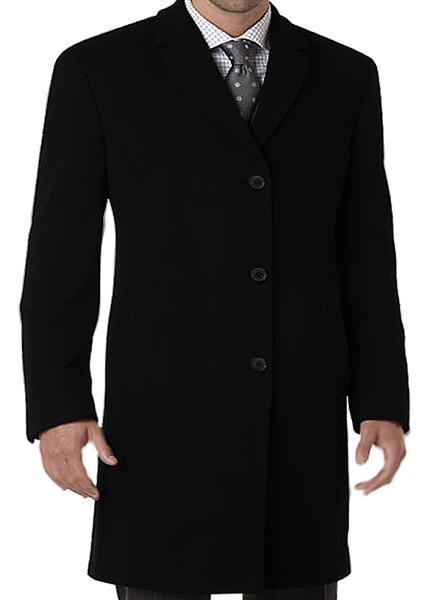
The BulletBlocker Level IIIA Men's Wool Modern Fit Topcoat is the piece I'd point a traveling executive toward first. It's NIJ Listed under 0101.06 at IIIA, stopping .357 Magnum, .44 Magnum, 9mm, and .45 ACP hollow point. The wool shell looks like a standard business overcoat from any angle.
The tradeoff: approximately 8 lbs with the removable Kevlar liner installed. That's meaningful over a full travel day. I wore a similar configuration for three days in Houston in August last year, traveling between downtown buildings with a client. By noon on day one I had pulled the liner out and was just wearing the shell. The heat retention at IIIA weight is a real cost in warm climates, and it's worth knowing before you commit $1,200 or more.
Miguel Caballero, the Colombian brand that pioneered a lot of this category, makes comparable pieces at comparable price points. The BulletBlocker has the edge on US-based customer support and warranty service, which matters when you need a liner replaced after a panel inspection.
Bullet-resistant dress vest

The BulletBlocker Level IIIA Lightweight Bulletproof Dress Vest is the better year-round choice for someone who doesn't need the topcoat. It wears under a suit jacket and provides torso and side coverage up to the collarbone. The vest format is more breathable than a full coat and pairs with any suit.
Coverage extends along the sides and toward the collarbone, which is a real differentiator from basic concealed-panel products that only cover front and back center-mass. Side panels matter when the threat isn't directly in front of you.
Bullet-resistant women's vest
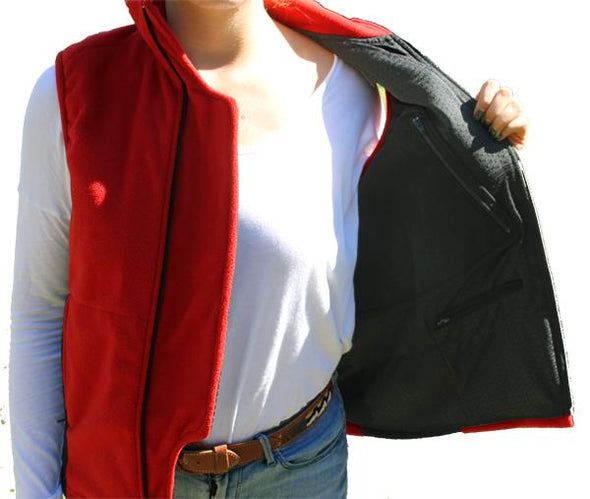
The BulletBlocker Level IIIA Women's Fortress Fleece Vest is cut to a women's fit, which matters more than most product descriptions acknowledge. Standard male-pattern armor on a female torso shifts the panel coverage off the centerline, especially at the lower thorax. The Fortress Fleece uses a contoured panel layout with IIIA-rated polyester fleece shell. Two interior gun pockets are included, each with an internal retention strap for the barrel or slide.
Concealed ballistic tank top
The MC Armor Level IIIA Concealed Tank Top is the most practical daily-carry option for someone who wants protection under any shirt. At 3.31 lbs with panels installed, it's heavier than it sounds as a tank top, but it's manageable across a standard workday. Tested to NIJ 0101.06 Level IIIA parameters. The tank format means no over-garment needed; it layers under anything.
How much does bullet-resistant clothing cost?
Expect to spend $600 to $2,500 for a quality garment. The price buys you three things: the ballistic panel material, the engineering required to integrate it into wearable clothing without panel shift or bunching, and the garment construction quality that holds up to regular use.
Don't shop on price alone in this category. A $300 "ballistic jacket" from an unknown brand with no CPL verification is not the same product as a BulletBlocker or MC Armor piece with documented NIJ testing. The panel material is the armor, and quality is not uniform across suppliers.
You can browse Bulletproof Zone's full selection of bullet-resistant clothing to compare current options, configurations, and sizing across brands. Before you buy, it's also worth reading our bullet-resistant clothing buying guide for care and maintenance guidance, because how you wash and store these garments directly affects panel lifespan.
Frequently Asked Questions
Is bullet-resistant clothing actually effective?
Yes, within its rated threat level. A garment NIJ Listed under 0101.06 at Level IIIA will stop 9mm FMJ, .357 Magnum, .44 Magnum, and similar handgun rounds. It won't stop rifle rounds. The limitation isn't a flaw in the product; it's physics. Soft fiber panels can't absorb the energy of a .223 or .308 round the way a hard ceramic or steel plate can. Know what threats you're actually facing before you buy.
Can bullet-resistant clothing be worn every day?
Some people do, but you'll feel the weight. A Level IIIA suit jacket or topcoat runs 6 to 10 lbs with panels, noticeably heavier than a standard garment. The concealed tank top format is more practical for daily wear at 3.31 lbs. Heat is the other factor: soft armor doesn't breathe, and in summer temperatures you'll sweat through any garment faster than you expect.
How long do bullet-resistant clothing panels last?
Most manufacturers rate soft armor panels at 5 years under normal use and storage conditions. Exposure to moisture, UV light, and heat degrades the ballistic fibers over time. Most BulletBlocker garments use removable liners specifically so you can inspect and replace the panels without replacing the garment shell. Follow manufacturer care instructions; improper washing is the most common cause of premature panel degradation.
Does bullet-resistant clothing stop knives as well as bullets?
Not automatically. Ballistic soft armor stops bullets but offers limited protection against edged or spiked weapons. A blade moving at low speed can work between fibers that would stop a fast-moving round. Dual-rated panels exist that combine ballistic and stab protection, rated separately to NIJ 0115.00 standards. If you need both, look specifically for dual-rated products rather than assuming ballistic rating covers all threats.
Is bullet-resistant clothing legal to buy in my state?
In most US states, yes. Federal law (18 U.S.C. § 931) prohibits possession by anyone convicted of a violent felony, but civilian purchase is otherwise legal in 48 states. New York and Connecticut have the most restrictive civilian purchase rules; Bulletproof Zone does not ship body armor (including ballistic clothing) to consumer addresses in New York or Connecticut. Verify your state's current rules before ordering.
Can women buy bullet-resistant clothing that actually fits?
Yes, though the selection is smaller than the men's range. The issue with off-the-shelf men's panels in women's garments is panel placement: a center-mass panel cut for male torso geometry won't sit correctly on a female torso, leaving gaps in coverage at the lower thorax. Products like the BulletBlocker Women's Fortress Fleece use purpose-built panel geometry for female body shape. Size and fit matter as much as the ballistic rating.
What is the difference between bullet-resistant clothing and a standard concealed soft armor vest?
A concealed soft armor vest (like a carrier worn under a shirt) is body armor you're hiding under clothing. Bullet-resistant clothing has the armor panels built into the garment itself. The practical difference is that purpose-built ballistic garments tend to have better panel coverage including sides and collarbone areas, and they're engineered to hold panels in position through regular movement. A vest worn under a shirt can shift; a panel sewn into a jacket lining stays put.
Key takeaways:
- Bullet-resistant clothing uses soft armor panels, typically NIJ Listed under 0101.06 at Level IIIA, sewn directly into the garment. No product currently holds a 0101.07 CPL listing.
- The protection is real and the threat coverage is meaningful for handgun rounds, but the weight (6 to 10 lbs for a coat or jacket) and heat retention are tradeoffs you'll feel daily.
- Price starts around $600 and rises to $2,500 for quality pieces. Avoid uncertified options; the panel material is the armor, and quality varies significantly across suppliers.
- Buying this makes sense if you travel to elevated-risk environments, work in security or investigative roles, or want concealed daily protection that doesn't look like tactical gear.
- Before purchasing, verify the product's CPL listing, understand the care requirements for the panels, and check your state's current rules on civilian body armor purchase.
Disclaimer: This article is for informational purposes only and does not, and is not intended to, constitute legal advice. Body armor laws change frequently at both federal and state levels. Consult a licensed attorney in your jurisdiction before relying on any information presented here. Bulletproof Zone makes no claim that body armor will provide complete protection in any scenario; no body armor is bulletproof. Last verified against published statutes and the NIJ Compliant Products List on May 2026.
Federal law (18 U.S.C. § 931) prohibits possession of body armor by anyone convicted of a violent felony. State restrictions vary; New York and Connecticut have the most stringent civilian-purchase restrictions. Bulletproof Zone does not ship body armor to New York or Connecticut consumer addresses.
Performance characterizations referenced in this article are based on the manufacturer's NIJ test parameters and/or independent laboratory testing as cited inline. NIJ does not "certify" body armor; products that pass the Compliance Testing Program (CTP) are issued a Notice of Compliance and listed on the NIJ Compliant Products List. Models referenced as "tested to NIJ standards" have not necessarily completed the CTP. Verify CPL status at https://nij.ojp.gov/topics/equipment-and-technology/body-armor/ballistic-resistant-armor before purchase.