


EMS Body Armor Guide 2026: What First Responders Need
Quick answer: EMS professionals most commonly wear NIJ Listed soft armor under 0101.06 at Level IIIA, which stops handgun rounds up to .44 Magnum and defeats most edged-weapon threats. Paramedics and EMTs typically choose concealable soft vests for mobility; police first responders add rifle-rated hard plates when active-shooter risk is elevated. No body armor is bulletproof.
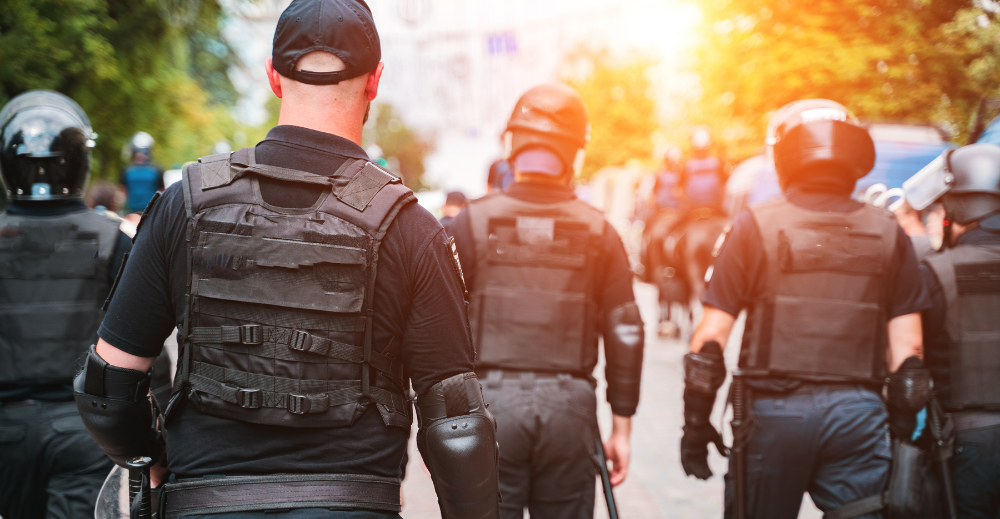
EMS crews work in conditions that shift without warning. One call is a diabetic emergency in a quiet suburb; the next is an overdose response at an active domestic-violence address where the threat hasn't left. The armor question isn't theoretical — it's something you may need to answer before your next shift.
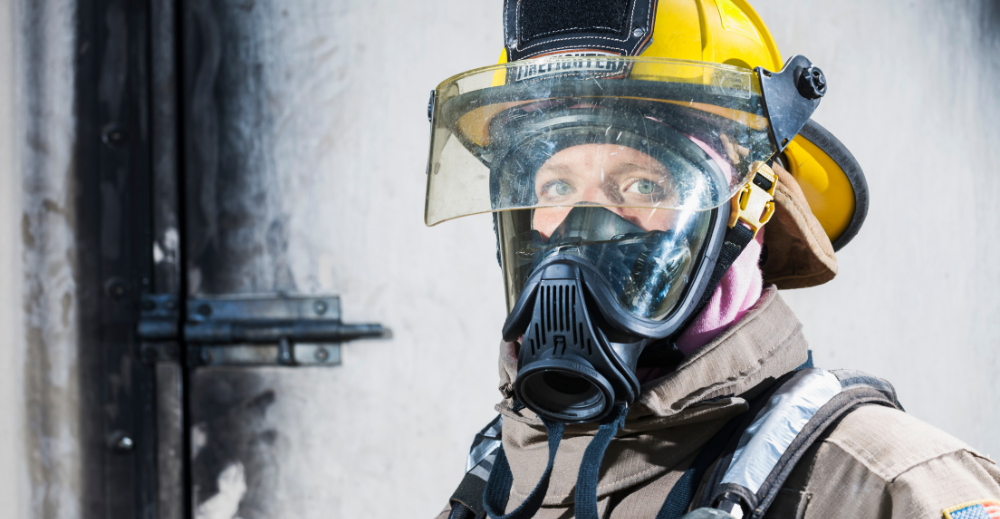
What threats do EMS professionals actually face?
The data isn't reassuring. EMS personnel are assaulted at higher rates than most civilian occupations, and the threat profile has shifted over time. Physical assault — fists, edged weapons — remains the most common threat in urban EMS. Firearm exposure, while less frequent, is real enough that major metro systems have started equipping their crews.
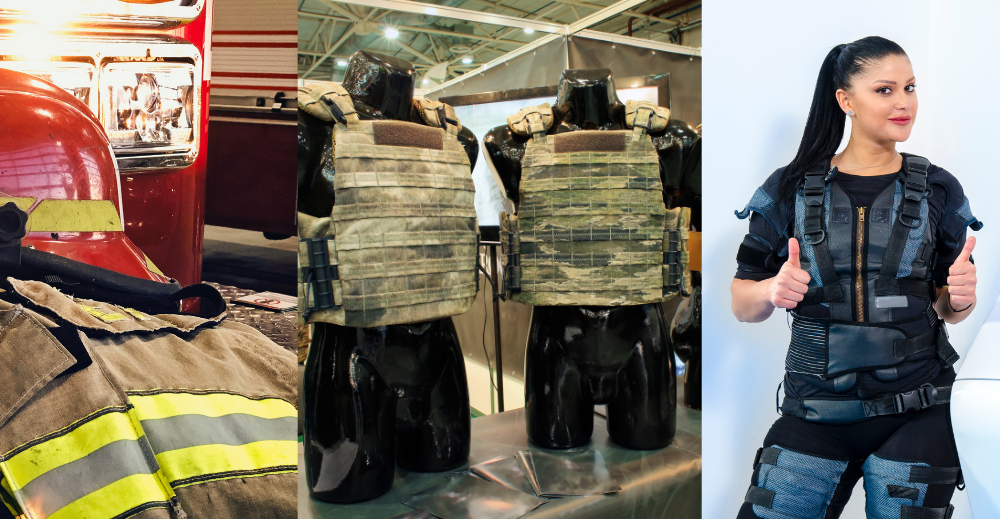
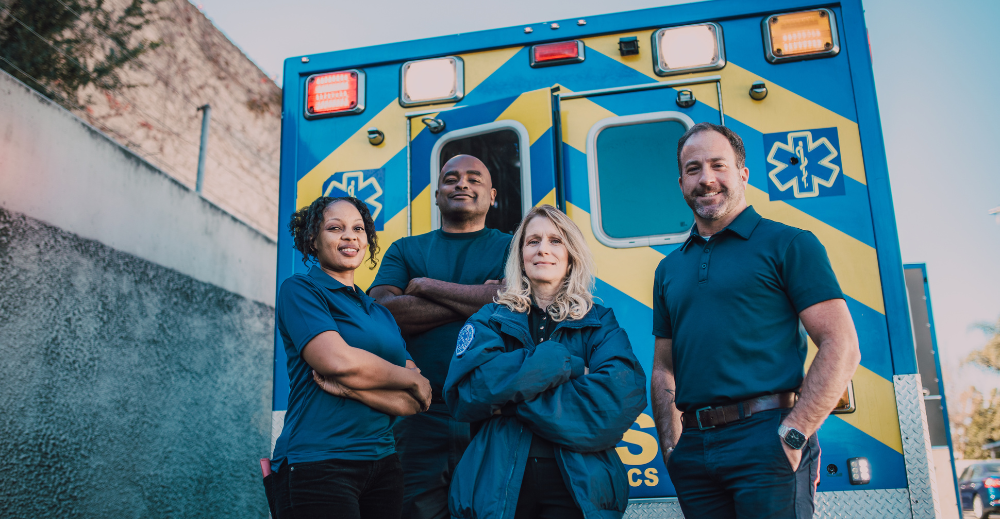
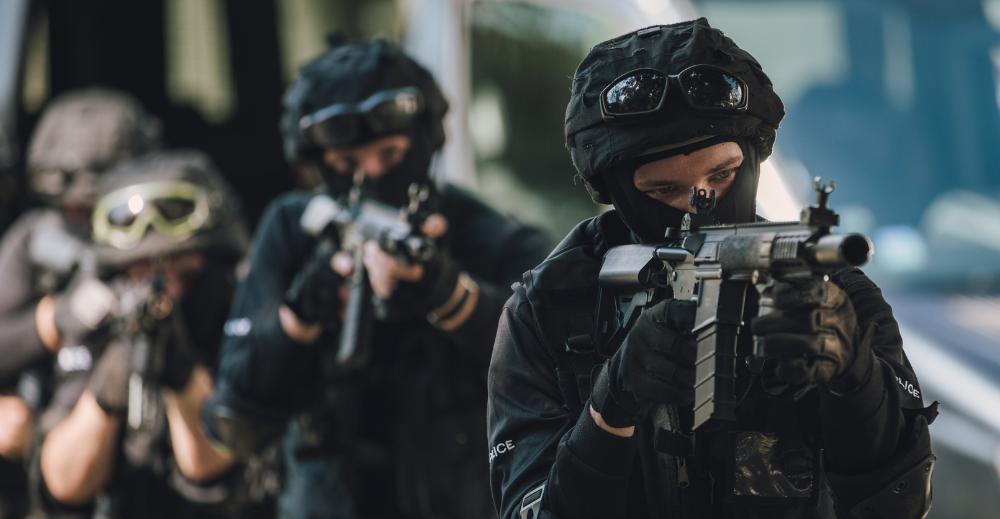
The threat breaks down by role. Street-level paramedics and EMTs face the highest frequency of physical assault, primarily from agitated or drug-affected patients. Fire companies responding to arson scenes or civil unrest face a different exposure. Police first responders covering active-shooter or barricade situations need rifle-rated protection. One vest doesn't cover all three scenarios — and it's worth being honest about that upfront.
Is soft armor or hard armor the right call for EMS?
For most EMS personnel, the answer is soft armor. Here's the practical reason: paramedics need to kneel, reach, lift, run, and sustain CPR compressions for two minutes straight. A rifle plate carrier adds 8 to 16 lb and limits range of motion in ways that matter clinically.
Soft armor at NIJ Level IIIA (under 0101.06), or the new HG2 threat level under 0101.07, typically weighs 1.5 to 3 lb and sits flat against the body under a uniform shirt. It stops 9mm through .44 Magnum handgun rounds and defeats most common edged threats. That's the realistic threat profile for most EMS calls.
Hard armor makes sense when your agency has threat intelligence pointing to active-shooter co-response, or when you're part of a tactical medic (TEMS) team embedded with a SWAT unit. In those roles, you're moving with law enforcement — not ahead of them — and rifle-rated plates are appropriate. Hard armor plates from BPZ's catalog include NIJ Listed Level III and Level IV options sized for plate carriers.
What body armor options work best for paramedics and EMTs?
Concealable soft vests are the workhorse here. Bullet-resistant vests at NIJ Listed Level IIIA (0101.06) are the most common choice, and for good reason: they go under a uniform shirt, they don't signal "police" in settings where that could escalate tension, and they let you do your job without bulk.
The Safe Life Defense IIIA is NIJ Listed under 0101.06 and comes in a multi-threat model that adds stab and spike resistance. Worth a close look if your call volume includes psychiatric facilities or correctional settings where edged weapons are common. The Ace Link Armor High-Vis Bulletproof Vest Level IIIA Flexcore is built for situations where you need ballistic protection and visual identification simultaneously — think a busy highway scene. Both are available through Bulletproof Zone. They solve different problems, and which one you need depends on where you're working.
A practical note: I helped a Dallas Fire-Rescue medic spec out a kit during a summer 2024 training rotation. She was running 12-hour shifts in 100-degree heat. Her concern wasn't ballistics — it was whether she'd actually still be wearing the vest by hour eight. The lighter the carrier and the better the moisture-wicking backer panel, the higher the wear compliance. A vest left in the unit because it's uncomfortable has a 0% protection rate. That's the tradeoff you need to think through honestly.
What do firefighters need from body armor?
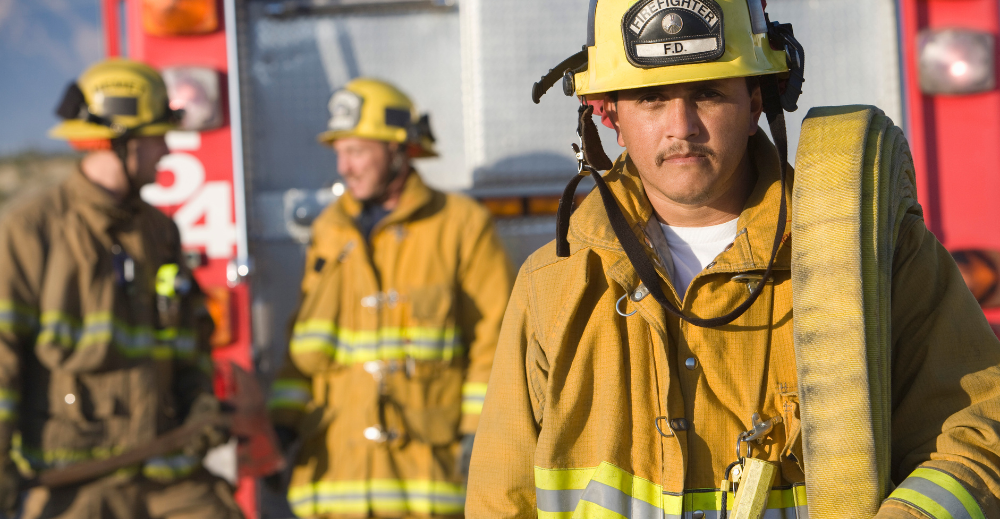
Firefighters occupy a different category. Their primary protective gear is turnout gear (NFPA 1971 rated), not body armor. The overlap comes when fire companies respond to scenes with ballistic risk: arson-for-hire investigations, suspected booby-trapped structures, or civil unrest. In those cases, a high-visibility vest adds ballistic protection without replacing turnout gear.
The Ace Link Armor High-Vis Bulletproof Vest Level IIIA Flexcore is the product most commonly requested for fire-company use. It's overt, it's NIJ Listed Level IIIA, and the hi-vis stripe keeps crew members visible during multi-agency scenes. Here's the catch: plastic buckles on overt vests can soften and fail after extended heat exposure in vehicle storage. If you're parking units in a hot bay or leaving vests in a sun-baked cab, check the hardware quarterly.
How does body armor actually stop a threat?
Soft armor works by catching a projectile in woven or laminated fiber layers and deforming the bullet so it can't penetrate. The energy spreads across a wider area — which is why you see backface deformation standards in NIJ testing. A vest rated to 0101.06 Level IIIA must limit backface deformation to 44mm on the clay backing when hit with a .44 Magnum at 1,470 fps. That clay represents what the impact would do to your torso.
Hard ceramic and polyethylene plates work differently. The ceramic strike face fractures on impact, absorbing energy; the polyethylene backer catches the fragments. Steel plates stop the round but generate spalling, which is why steel plates in EMS contexts are unusual.
What armor cannot do: stop everything. A vest rated to Level IIIA will not stop a 5.56 or 7.62 rifle round without a hard plate insert. That's not a design flaw — it's the honest physics of what each system is built for. Understanding this matters when you're deciding what to buy.
For a full breakdown of NIJ threat levels and what each stops, see Bulletproof Zone's NIJ protection levels guide.
How do you choose the right body armor for EMS?
Start with your threat profile, not a product catalog. What does your agency's incident data say about the nature of assaults in your service area? Urban EMS with high psychiatric call volume needs multi-threat soft armor. TEMS operators need rifle-rated hard plates. Firefighters responding to hybrid incidents need overt high-visibility soft armor.
Second: wear compliance. The most protective vest you own is the one you actually put on for every shift. Heavier systems and less-breathable carriers have measurably lower compliance rates over time. If your agency is issuing armor, build in quarterly wear-compliance checks.
Third: verify NIJ Listed status on the NIJ Compliant Products List before you buy. Any soft armor purchased for professional use should be NIJ Listed under 0101.06 (the active standard through at least end of 2027) or tested to 0101.07 HG2 parameters if the manufacturer has completed testing. Don't rely on marketing copy that says "meets NIJ standards" without a CPL verification — that phrase carries no enforcement weight. Soft armor from verified sources matters.
The shortcut: Bulletproof Zone's catalog is filtered to products with verifiable NIJ compliance documentation. Use the concealable armor collection if your role requires under-uniform carry, or the vest buying guide for a structured comparison. If you qualify as a first responder, there's a 10% discount available for Military, Law Enforcement, and First Responders. Email support@bulletproofzone.com with an ID, letterhead, or official account email.
Frequently Asked Questions
What NIJ level do EMS professionals typically wear?
Most EMS personnel wear NIJ Listed Level IIIA soft armor under the 0101.06 standard. This stops handgun rounds through .44 Magnum at 1,470 fps and defeats most common edged threats. Level IIIA is the highest soft-armor rating under 0101.06 and the standard baseline for law enforcement and EMS concealable armor. Tactical medics embedded with SWAT units may carry Level III or IV hard plates in addition.
Do paramedics need body armor?
It depends on your service area and call type. Urban EMS systems report assault rates significantly above average, and many major metro systems now issue soft armor as standard gear. Rural EMS with low assault history may not prioritize it. The cost of a Level IIIA vest — typically $300 to $700 — is low relative to the injury exposure.
Can EMS wear body armor under their uniform?
Yes. Concealable soft armor is designed for exactly this. Most Level IIIA vests are 0.25 to 0.35 inches thick and lie flat under a uniform shirt or jacket. The biggest practical factor is heat management: vest panels without moisture-wicking carriers become uncomfortable quickly, especially during summer operations. Compliance drops when comfort drops, so choosing a vest with a breathable carrier matters a great deal on a 12-hour EMS shift.
What's the difference between soft armor and hard armor for first responders?
Soft armor uses woven or laminated fiber panels — typically UHMWPE or aramid — to stop handgun rounds and edged threats. It's light (1.5 to 3 lb typically) and flexible. Hard armor plates use ceramic or polyethylene strike faces to stop rifle rounds and add 8 to 16 lb to your load. Most EMS roles call for soft armor. Hard armor is appropriate when rifle exposure is a documented operational risk, such as in TEMS or co-response with tactical law enforcement.
Does body armor expire?
Yes. Most manufacturers warranty ballistic performance for five years from the manufacture date. The fibers degrade from UV exposure, moisture, sweat, and physical stress. An NIJ Listed vest that's six years old may no longer perform to its rated standard even if it looks intact. Check the manufacture date on the label — not the purchase date — and track replacements on a five-year cycle.
Is the Ace Link Armor High-Vis vest appropriate for firefighter EMS use?
It's appropriate for hybrid scenes where visual identification and ballistic protection are both required — highway accidents with active threat risk, or multi-agency incidents. It's an overt vest designed to go over outerwear. It is not a substitute for NFPA-rated turnout gear and provides no thermal protection. For pure firefighting operations, turnout gear is the primary protection; the vest adds ballistic capability in specific circumstances.
Where can first responders buy body armor with a discount?
Bulletproof Zone offers a 10% discount for verified Military, Law Enforcement, and First Responders. Email support@bulletproofzone.com with a photo of an ID, official letterhead, or an email from an official agency account to receive a coupon code. The discount applies across the site's body armor catalog, including soft armor, plate carriers, and hard plates.
Key takeaways:
- Most EMS personnel need NIJ Listed Level IIIA soft armor (0101.06); it stops handgun rounds and edged threats without restricting clinical movement.
- Soft armor typically weighs 1.5 to 3 lb; hard plates add 8 to 16 lb. For paramedics and EMTs, mobility and wear compliance matter as much as protection level.
- Tactical medics (TEMS) embedded with law enforcement may need rifle-rated hard plates. That's a different role from street EMS.
- Verify NIJ Listed status on the NIJ Compliant Products List before purchase. "Meets NIJ standards" in marketing copy is not the same as being on the CPL.
- Body armor has a five-year functional life under most manufacturer warranties. Track manufacture dates, not purchase dates.
Disclaimer: This article is for informational purposes only and does not, and is not intended to, constitute legal advice. Body armor laws change frequently at both federal and state levels. Consult a licensed attorney in your jurisdiction before relying on any information presented here. Bulletproof Zone makes no claim that body armor will provide complete protection in any scenario; no body armor is bulletproof. Last verified against published standards on May 2026.
Performance characterizations referenced in this article are based on the manufacturer's NIJ test parameters and/or independent laboratory testing as cited inline. NIJ does not "certify" body armor; products that pass the Compliance Testing Program (CTP) are issued a Notice of Compliance and listed on the NIJ Compliant Products List. Models referenced as "tested to NIJ standards" have not necessarily completed the CTP. Verify CPL status at https://nij.ojp.gov/topics/equipment-and-technology/body-armor/ballistic-resistant-armor before purchase.
