


Best Concealed Bulletproof Vest: 2026 Buyer's Guide

Quick answer: The best concealed bulletproof vest for most civilians is a NIJ Listed Level IIIA soft-armor vest under 4 lb that fits flat under a t-shirt. The BulletSafe VP3 covers the entry tier; the Safeguard Ghost adds Coolmax comfort; the MC Armor Perfect Tank Top is the strongest under-shirt option. Concealable armor is bullet-resistant, never bulletproof.
Concealable body armor sits under your clothing, runs handgun-rated soft panels, and lives or dies on fit. This guide covers what concealable means under NIJ Standard 0101.06 and the new 0101.07 threat-level system, the carrier materials that matter, and the eleven Bulletproof Zone vests we'd actually carry across law-enforcement, security, EMS, civilian wear plus everyday-wear use cases. Civilian buyers in New York or Connecticut should stop here and read the legal section first.
- What is concealable body armor?
- What is concealable body armor made of?
- Concealable vests vs overt body armor
- How to choose concealable body armor
- Is concealable body armor legal where you live?
- Who needs a concealable bulletproof vest?
- Who makes concealable body armor?
- Which concealable bulletproof vest should you buy?
- Frequently asked questions
What is concealable body armor?
Concealable body armor is bullet-resistant soft armor designed to be worn under regular clothing without printing through the fabric. The standard build is a flexible aramid or polyethylene panel sewn into a thin carrier garment that hugs the torso, sized to protect the heart, lungs, liver, and major arteries. Threat coverage is almost always handgun: NIJ Listed Level IIA, II, or IIIA under NIJ Standard 0101.06, or the equivalent HG1/HG2 designations under the newer NIJ Standard 0101.07.
The point of going concealed is to remove the deterrent silhouette. An overt plate carrier signals "this person expects trouble" and invites the attacker to aim at your face, neck, or pelvis. A vest under a polo or tucked under a uniform shirt does the opposite. Plain-clothes detectives, executive protection details, hostile-environment journalists, and civilians who just live or commute in a high-risk neighborhood all wear concealable for the same reason: keep the protection invisible, lose the bullseye.
Concealable armor is also the format that scales into work clothing. Soft-armor panels can drop into bulletproof hoodies, t-shirts and polos, plus jackets and even three-piece suits. Cut and weight are what determine whether the wearer can move naturally for a 12-hour shift, not whether the panel will stop the round.
What is concealable body armor made of?
The carrier garment uses standard apparel fabrics (cotton, nylon, polyester, sometimes Coolmax or other moisture-wicking technical knits) because it sits against your skin all day. The panel inside is the part that does the work.

Soft armor panels in 2026 are built from one of two fiber families. Para-aramids like DuPont Kevlar and Teijin Twaron are woven into multi-layer mats; bullets get caught in the weave and have their kinetic energy redistributed across the panel face. Ultra-high-molecular-weight polyethylene (UHMWPE) like Honeywell Spectra Shield or DSM Dyneema runs lighter and is moisture-resistant out of the box, but historically loses some protection in sustained heat. Most concealable vests use one or a hybrid of the two.
Coverage is normally chest and back. Some carriers add cummerbund-style side panels. A few, like the MC Armor Perfect Tank Top covered later, wrap the entire torso including ribs and side. Side coverage adds 0.4 to 0.8 lb to total system weight depending on the panel size.
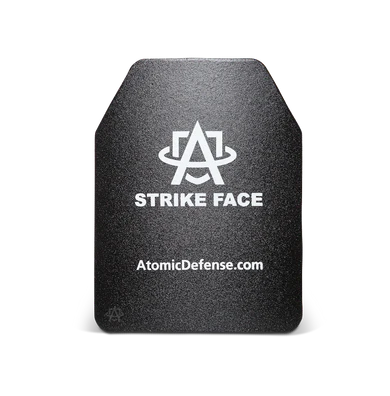
Aramid fiber is roughly 5 times stronger than steel by weight, with UHMWPE pushing higher in tension tests. The reason a 0.4-inch-thick stack of aramid stops a .44 Magnum is the way the weave traps the projectile, mushrooms it into a flatter shape, and spreads the impact across hundreds of layers instead of letting it punch through one. The downside: soft armor degrades over time. Most manufacturers warranty the panels for 5 years, after which the binders and fibers can fail in unpredictable ways. Backface deformation, the inward bruise the panel makes against your sternum even when it stops the round, can still crack ribs at IIIA threat levels.
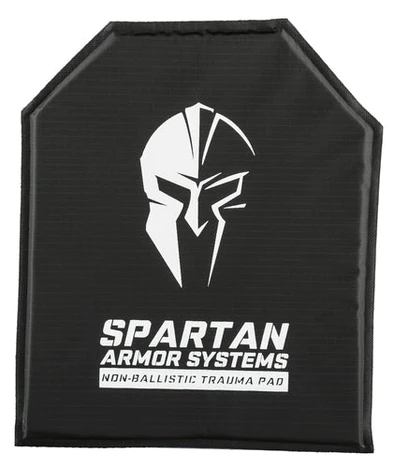
Many concealable vests include integrated trauma pad pockets that take a 5x8 or 6x8 trauma plate to cut the backface deformation curve. If you carry IIIA and intend to use the vest under a duty shirt or carrier, a trauma pad is cheap insurance.
Concealable vests vs overt body armor
The split is simple. Concealable goes under a shirt, runs handgun threat levels, and prioritizes weight and breathability. Overt goes over a shirt, runs rifle-rated hard plates, and prioritizes pouches and load-bearing capacity. Both have their place; the question is what threats you actually expect.
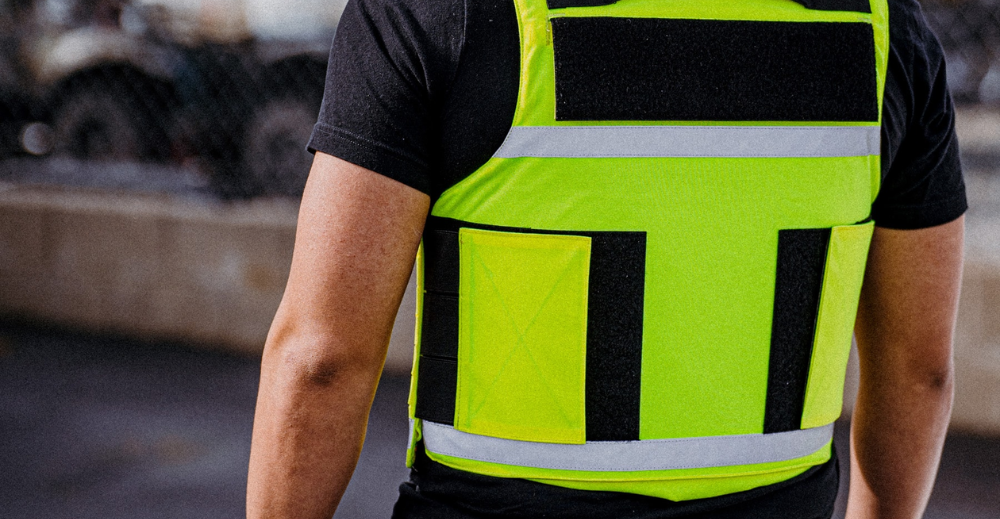
Overt armor is the format you see on patrol officers and SWAT teams, military units, plus private security at hardened sites. The carrier is built around a hard armor plate at NIJ Level III (RF1 under 0101.07), Level IV (RF3), or the newer RF2 intermediate-rifle tier that defeats 5.56 M855 at roughly 3,115 ft/s. The carrier carries MOLLE / PALS webbing for mag pouches, IFAKs and radios alongside admin gear. Total system weight runs 12 to 25 lb depending on plate material.
Concealable armor swaps all of that for invisibility. You're protected against handgun rounds and edged-weapon strikes but not rifle fire. The total system weight is typically 2.5 to 5 lb. You can sit at a desk, drive a car, or eat lunch wearing it without anyone noticing. That's the trade.

For mixed-threat scenarios there's a hybrid path: a concealable carrier that takes optional 5x8 or 6x8 hard armor plates inserted in front-only or front-and-back pockets. The BulletSafe VP3 and the AR500 Concealment Plate Carrier both support this. You wear soft armor by default, slot in plates when you expect a higher-threat call.
How to choose concealable body armor
Three variables matter: threat level, fit, plus cost. Get the first two right and the third sorts itself out.
Threat level: pick the right NIJ rating
Match the rating to the rounds you actually expect to face, not the worst-case fantasy. Carrying Level IV plates under a polo is impossible; the plates are 0.5 to 1 inch thick and weigh 3 to 8 lb each. Concealable means soft armor, which means handgun.
Handgun protection under NIJ Standard 0101.06:
- Level IIA defeats 9mm FMJ at ~1,225 ft/s and .40 S&W FMJ at ~1,155 ft/s. Older rating, mostly phased out of the consumer market.
- Level II adds 9mm at ~1,305 ft/s and .357 Magnum JSP at ~1,430 ft/s. Reasonable middle ground for low-profile concealment.
- Level IIIA is the soft-armor flagship. Defeats 9mm FMJ at ~1,470 ft/s and .44 Magnum SJHP at ~1,430 ft/s. Most law-enforcement and security buyers stop here.
Under NIJ Standard 0101.07 the same threats map to HG1 (former Level II) and HG2 (former Level IIIA). No products carry an officially compliant 0101.07 rating yet, because the NIJ 0101.07 Compliant Products List has not published as of May 2026. Vests sold today are NIJ Listed under 0101.06.
You'll also see manufacturer-only marks like "IIIA+" or "Level IIIA Special Threat." Note: "+" ratings (e.g., IIIA+, III+) are manufacturer designations and are not part of the NIJ Standard 0101.06 or 0101.07 nomenclature. They typically signal that the vest passed extra ammunition tests beyond the IIIA baseline (Five-seveN, 12-gauge slugs, FN 5.7), but the qualifier varies between manufacturers and is not externally verified.
Stab and spike protection under NIJ Standard 0115.00:
- Level 1: about 24 J of force; protects against most knives and spike-style threats like a syringe or ice pick.
- Level 2: about 33 J.
- Level 3: about 43 J.
If your threat profile includes prison, hospital ER, EMS, transit security, or any environment where edged weapons are statistically more likely than firearms, look for combination armor that lists both a ballistic and a stab/spike rating. Pure ballistic soft panels do not reliably stop a focused stab.
What concealable vests do not stop. Conducted-energy weapons (Tasers and stun guns) work by passing current through skin contact; soft armor does not block the shock. Rifle rounds (5.56, 7.62, .308, .30-06) require hard plates, period. Don't believe a marketing page claiming a soft IIIA panel stops rifle fire. It stops handgun rounds and that's it.
Fit and weight
Fit is the single biggest variable separating a vest you'll actually wear from one that lives in the closet. Concealable armor must be snug enough that the panel sits flat against the chest and back, with the top edge two finger-widths below the suprasternal notch and the bottom edge above the navel. Loose fit creates print (visible bumps under the shirt) and shifts the panel out of position during rapid movement. Tight fit cuts off circulation and gets removed within a week.
Most concealable vests come in S/M/L/XL alpha sizes built around chest measurement. Better-tier vests offer separate chest and waist adjustment via Velcro side straps. The very best (Israel Catalog VIP, Safeguard Ghost) let you order custom-cut panels to your specific torso geometry. Custom is worth it if you're outside the standard size range or carry the vest 8+ hours per shift.
Total system weight target: under 3 lb for a daily-wear concealment vest, under 4.5 lb for a duty-grade vest with side panels and trauma plates. The MC Armor Perfect Tank Top runs about 2.7 lb in IIIA. The BulletSafe VP3 hits about 4 lb. Add 1 to 2 lb if you slot in Level IV hard plates as backup.
What you wear over the vest matters. A tight-fitting t-shirt prints the panel edges; a relaxed-fit polo or button-down hides them. If your job uniform is a fitted dress shirt, look at undershirt-style vests like the CompassArmor Singlet or Armor Express T-shirt Carrier rather than vests with external Velcro straps.
Cost
Quality concealable vests range from about $130 to $2,000+. The price ladder roughly tracks panel material grade, carrier construction, custom-fit availability, and threat coverage breadth.
- $130 to $300 covers entry-level NIJ Listed IIIA. BulletSafe VP3 sits here. Good for hobbyist preppers, low-frequency civilian carry, and budget security gigs.
- $301 to $700 buys mid-tier IIIA with better carriers, moisture management, and stab options. Spartan Armor DL, Safeguard Ghost, AR500 Concealment, Israel Catalog VIP fall in this band.
- $701 to $1,500 gets premium concealment with custom fit or specialty cuts (Israel Catalog SP1, Israel Catalog Flight Jacket).
- $1,500+ unlocks full-coverage purpose-built systems for executive protection or high-threat environments.
Treat concealable body armor as a 5-year investment. Soft panel warranties typically expire at 5 years; replacement is mandatory at that point regardless of visible condition because the binders degrade non-visibly.
Is concealable body armor legal where you live?
Federal law (18 U.S.C. § 931) prohibits possession of body armor by anyone convicted of a "crime of violence" felony. Maximum penalty is 3 years. Outside that federal floor, state law determines whether civilians can buy concealable armor at all.
Two states restrict civilian purchase.
- New York: NY Penal Law § 270.21 limits body armor to roughly 30 eligible professions (police, peace officers, military service members, certain medical and security roles) per the NY Department of State registry. The September 2022 Chapter 371 amendment swept soft armor and vest panels into the same prohibition that previously covered only hard plates. Civilian purchase is a Class A misdemeanor on first offense, Class E felony thereafter. Heeter v. James is in summary-judgment briefing through end of June 2026 and may shift the regulatory landscape.
- Connecticut: Conn. Gen. Stat. § 53-341b requires in-person face-to-face transfer plus a CT firearm permit, eligibility certificate, ammunition certificate, or long-gun eligibility certificate (Public Act 23-53 § 35, effective October 1, 2023). Online purchase is a Class B misdemeanor for the seller.
Bulletproof Zone does not ship body armor to consumer addresses in New York or Connecticut. A full state-by-state legality breakdown lives here, including California's AB 92 (extends the federal felon prohibition to anyone barred from firearm ownership) and Louisiana's R.S. 14:95.9 (school-zone restriction within 1,000 ft of campus, with an explicit carve-out for ballistic backpack inserts).
If you are not in NY or CT and have no disqualifying conviction, civilian concealable body armor is legal in all other states. Verify before checkout if you live in a state that has changed body armor law in the last 12 months.
Who needs a concealable bulletproof vest?
Concealable armor scales across more professions and civilian use cases than any other body armor format. Most buyers fall into one of these groups:
- Bank tellers, jewelry-store clerks, ATM technicians, gas-station attendants, and others with everyday cash exposure
- Plain-clothes federal patrol and undercover officers, correctional staff, coast guards, bail bond agents, bounty hunters, and licensed private investigators
- Close-quarter security details: door supervisors, executive bodyguards, dignitary protection, hospital security
- High-profile public figures: government officials, judges, executives, journalists working hostile environments
- EMS personnel and paramedics, plus ER staff working metropolitan high-call-volume systems
- Off-grid civilian preppers and rural homeowners with long emergency response times
- Concerned residents in high-crime neighborhoods who want low-profile protection without the visible deterrence of an overt carrier
The common thread is the need to look ordinary while wearing protection. Bulletproof Zone's broader buyer profile breakdown covers the full picture.
Who makes concealable body armor?
The concealable category is dominated by mid-size armor specialists rather than the household-name plate-carrier brands. Bulletproof Zone stocks vests from the manufacturers that have the longest NIJ Listed track records under 0101.06 and the cleanest manufacturer disclosure: Spartan Armor Systems, Safeguard Armor, Protection Group Denmark, BulletSafe, AR500, Legacy Safety & Security, Israel Catalog, Armor Express, MC Armor, CompassArmor along with UARM. Each runs a different specialty: Spartan and AR500 lean operational, Safeguard and MC Armor lean comfort, Israel Catalog leans high-end custom, and we curate by use case rather than brand allegiance.
Skip the noise-floor brands selling unverified "Level IV soft armor" on Amazon and Etsy with no NIJ listing and no lab traceability. If a manufacturer cannot point to a CPL entry or an independent lab report, the panel is unverifiable. For the IIIA / HG2 tier, lab certification is the difference between a panel that reliably stops .44 Magnum and one that hopes it does.
Which concealable bulletproof vest should you buy?
Pick by use case and budget. The eleven options below are the ones we'd actually carry from the Bulletproof Zone concealable body armor collection in 2026, organized by who's buying.
Law enforcement, ≤ $300
Spartan Armor Systems DL Concealment Plate Carrier with Flex Fused Core Soft Armor
- NIJ Listed Level IIIA, two 10x12 ballistic panels, low-profile single-layer carrier
- Integrated soft mag pouches on the cummerbund, useful for plain-clothes detective work where an exposed mag carrier would print
- Best-selling concealment carrier in our store, durable enough for daily duty wear
Law enforcement, $301 to $700
Protection Group Denmark Ultra Stab/Spike Proof and Bulletproof Vest
- NIJ Listed IIIA plus Level 1 stab/spike protection (about 24 J), unidirectional aramid panels
- Outlast Phase Change Material liner regulates panel surface temperature against the wearer's body heat, a real comfort gain on summer shifts
- Optional ESAPI hard armor plates can be added front and back for rifle backup
Law enforcement, $701 to $1,000
Israel Catalog Level IIIA SP1 Concealed Stab Proof and Bulletproof Vest
- High-tenacity aramid fibers coated with a polycarbonate stab-resistance layer (Israeli SP1 spec)
- Adjustable cotton or polyester carrier that adapts up and down two sizes from the ordered base
- The middle option in the Israel Catalog concealment line, used by IDF reservists and private security details abroad
Security personnel, ≤ $300
BulletSafe Vital Protection 3 (VP3) Bulletproof Vest
- NIJ Listed Level IIIA front and rear panels, wrap-around coverage including sides on most sizes
- Plate pockets accept Level III or IV hard armor inserts for rifle backup (XS size excluded)
- Best price-to-coverage ratio in our concealable lineup; it's the vest we recommend for first-time security buyers and budget-constrained civilian carry
Security personnel, $301 to $700
Safeguard Armor Ghost Concealed Bulletproof Vest

- Configurable NIJ Listed Level II or IIIA ballistic protection plus optional Level 1 or 2 edged-blade and spike resistance
- 100% Coolmax carrier, the strongest cooling option in this price band, built for 8 to 12 hour security shifts in hot climates
- Adjustable shoulder and waist straps; the Ghost is the closest off-the-rack vest to a custom fit
Security personnel, $701 to $1,000
PPSS Group Covert Stab Resistant Body Armor
- UK-built carrier specifically engineered for door security, prison transport, and corrections environments where edged weapons dominate the threat profile
- Two universal radio docks fitted as standard, ergonomically cast carrier shape
- Detachable soft armor protects against knife attacks, spikes, improvised weapons, and blunt-force trauma in addition to handgun rounds
EMS, ≤ $300
Legacy Safety & Security EMS Vest
- Single-size vest with three side adjusters, upper and lower reflective stripes for low-light scene visibility
- Front-only NIJ Listed IIIA soft armor by default; front and back pockets each accept Legacy's Dual Threat panel upgrade for added stab resistance
- Designed around active-shooter EMS response protocols where rapid don/doff over a uniform shirt matters more than custom fit
EMS, $301 to $700
AR500 Concealment Plate Carrier and Soft Armor
- 4-way stretch carrier that adapts to wearer movement, available in medium (10x12 plate cut) or large (11x14 plate cut)
- Pairs with AR500's IIIA Rimelig, Slim, or Hybrid soft armor plus optional trauma pads
- The hybrid path: wear soft IIIA daily, slot in AR500 hard plates for rifle backup on high-threat calls. AR500's marketing tone leans politicized; we cite the carrier on engineering, not on the brand's editorial framing.
Civilians, ≤ $300
Armor Express T-shirt Armor Carrier
- Polyester / spandex undershirt with antimicrobial treatment and a 5x8 plate pocket on the front for soft-armor inserts
- Armor Express is a top-10 US body armor manufacturer by volume, primarily LE supplier
- The shirt without the panel is a lightweight base layer; add the panel when you want concealed coverage during a specific commute or trip
Civilians, $301 to $700
Israel Catalog Concealed VIP Civilian Vest
- NIJ Listed IIIA front and rear protection in a low-profile concealment carrier
- Shoulder and waist straps adjust three sizes up, one size down from the ordered base, the most fit-tolerant vest in the price band
- Marketed for executive-protection clients but priced for civilian buyers; the carrier is unbranded and prints flat under a dress shirt
Civilians, $701 to $1,500
Israel Catalog IIIA Lightweight Bulletproof Flight Jacket
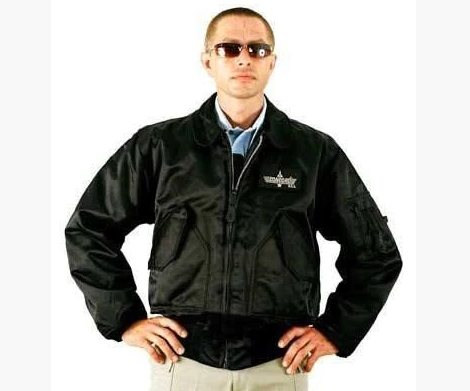
- MA-1-style bomber jacket cut, available in full-wrap or front-and-back-only IIIA configurations
- Issued to elements of Israeli internal security; built to outerwear quality standards rather than carrier-vest standards
- The most natural-looking concealment in our lineup. The jacket reads as ordinary outerwear, not as bulletproof clothing
Everyday wear, ≤ $300
CompassArmor Ultra Thin Bulletproof Singlet
- Close-fitting Kevlar singlet with NIJ Listed IIIA panels front and back
- The thinnest concealment option we stock; wears like a base layer under a dress shirt or polo
- Less durable than carrier-vest construction; treat it as daily wear, not duty wear
Everyday wear, $301 to $700
UARM Covert Armored T-shirt (CAT)
- Coolmax-lined armored t-shirt with covert dual side zippers for rapid panel install and fast doff
- Configurable IIA, II, or IIIA UHMWPE panels front and back; lighter than aramid for the same threat level
- The fastest don/doff in this category, designed for travelers and journalists who put the vest on at airports and remove it in safe destinations
Everyday wear, $701 to $1,000
MC Armor Perfect Tank Top with Side Protection
- 2016 Reddot Design Award winner with full-wrap NIJ Listed IIIA coverage on front, back and sides. It is the only vest in our lineup to officially carry side-rib protection at IIIA
- Available in men's and women's cuts. Most concealable vests are unisex sized for male torsos, so the dedicated female cut is real differentiation
- Best-in-class for under-shirt wear, hands down. Pairs with a relaxed-fit polo and disappears.
Honorable mention
Ace Link Armor Skeletac Hybrid Bullet and Stab Proof Vest
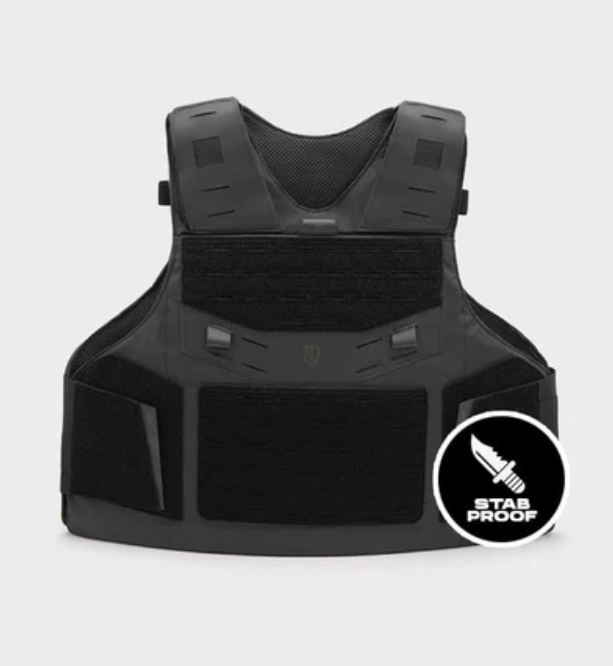
The Skeletac sits between concealable and overt; concealable carrier construction, but rated for hard armor plate inserts up to NIJ Level IV. Pick it if your threat profile spans handgun and rifle, and you want one vest that can work both modes.
Frequently asked questions
What is the best concealed bulletproof vest for civilians in 2026?
For most civilians, the BulletSafe VP3 at the entry tier and the MC Armor Perfect Tank Top at the premium tier are the best concealable bulletproof vests. The VP3 delivers NIJ Listed Level IIIA wrap-around protection under $300, with optional hard-plate pockets. The MC Armor Tank Top adds full-wrap side coverage and a dedicated female cut. Both are NIJ Listed under 0101.06.
Is concealable body armor really bulletproof?
No body armor is bulletproof, concealable or otherwise. The accurate term is bullet-resistant. Concealable soft armor is rated to defeat specific handgun rounds at specific velocities under NIJ test conditions. It does not stop rifle rounds, armor-piercing handgun ammunition not in the NIJ test set, or contact shots at point-blank range. Always verify the NIJ Listed rating before relying on a vest.
How much does a good concealable bulletproof vest cost?
A reliable NIJ Listed Level IIIA concealable vest starts around $130 (BulletSafe VP3) and runs up past $2,000 for custom-fit premium options. The $300 to $700 mid-tier (Spartan DL, Safeguard Ghost, AR500 Concealment, Israel Catalog VIP) is where most law-enforcement and security buyers land. Treat the vest as a 5-year purchase; soft panels expire on a 5-year warranty cycle and must be replaced regardless of visible wear.
What's the lightest concealable bulletproof vest?
The lightest concealment options use UHMWPE panels and minimalist undershirt-style carriers. The CompassArmor Ultra Thin Singlet and UARM Covert Armored T-shirt both fall under 3 lb in IIIA. The MC Armor Perfect Tank Top runs about 2.7 lb with full-wrap coverage. UHMWPE panels save roughly 20 to 30 percent of the weight of equivalent aramid for the same threat level.
Can a concealable vest stop a rifle round?
Soft concealable panels stop handgun rounds, not rifle rounds. To stop rifle threats you need NIJ Level III, IV, or the new RF1/RF2/RF3 hard armor plates. Some concealable carriers (BulletSafe VP3, AR500 Concealment, Skeletac) accept hard plate inserts in front and back pockets; that's the closest a concealable vest comes to rifle protection. Add 3 to 8 lb per plate.
Is concealable body armor legal in my state?
For 48 of 50 states, concealable body armor is legal for civilians who do not have a violent-felony conviction (federal 18 U.S.C. § 931 baseline). New York restricts purchase to roughly 30 eligible professions under NY Penal Law § 270.21. Connecticut requires in-person face-to-face transfer plus a CT firearm or eligibility certificate per Public Act 23-53 § 35. Bulletproof Zone does not ship to consumer addresses in NY or CT. California's AB 92 extends the federal felon prohibition. Louisiana restricts wear within 1,000 feet of a school zone (R.S. 14:95.9, with a backpack-insert carve-out).
How long does a concealable bulletproof vest last?
Soft armor panels typically carry a 5-year manufacturer warranty. The aramid binders and UHMWPE matrix degrade over time even when the panel looks fine; heat cycling, sweat exposure, and physical compression accelerate the process. Replace soft panels at 5 years regardless of visible condition. The carrier garment can outlast the panels and accept replacement panels if the manufacturer offers them.
What's the difference between IIIA and IIIA+?
"IIIA+" is a manufacturer designation that signals testing beyond the standard NIJ IIIA threat set, typically Five-seveN, 12-gauge slugs, or special-threat handgun ammo. Note: "+" ratings are not part of the NIJ Standard 0101.06 or 0101.07 nomenclature. There is no NIJ verification of the "+" claim. Treat IIIA+ as a marketing signal that the panel may handle a broader threat set, not as a guaranteed performance increase.
Key takeaways:
- Concealable body armor is NIJ Listed Level IIA, II, or IIIA soft armor (HG1/HG2 under the new 0101.07) sized to disappear under everyday clothing. Handgun protection only.
- Choose by threat profile and fit, plus use case. Get fit right and you'll wear it; oversized vests live in the closet.
- For most civilians, the BulletSafe VP3 (≤$300) and MC Armor Perfect Tank Top ($701 to $1,000) are the strongest picks.
- Soft panels expire on a 5-year warranty cycle and must be replaced even if they look fine.
- New York and Connecticut restrict civilian purchase. Bulletproof Zone does not ship to consumer addresses in either state.
Disclaimer: This article is for informational purposes only and does not, and is not intended to, constitute legal advice. Body armor laws change frequently at both federal and state levels. Consult a licensed attorney in your jurisdiction before relying on any information presented here. Bulletproof Zone makes no claim that body armor will provide complete protection in any scenario; no body armor is bulletproof. Last verified against published statutes and the NIJ Compliant Products List on May 3, 2026.
Federal law (18 U.S.C. § 931) prohibits possession of body armor by anyone convicted of a violent felony. State restrictions vary; New York and Connecticut have the most stringent civilian-purchase restrictions. Bulletproof Zone does not ship body armor to New York or Connecticut consumer addresses. Pending litigation (Heeter v. James, W.D.N.Y. 1:24-cv-00623) may alter New York's regulatory landscape; the case is in summary-judgment briefing through end of June 2026. Last reviewed: May 3, 2026.
Performance characterizations referenced in this article are based on the manufacturer's NIJ test parameters and/or independent laboratory testing as cited inline. NIJ does not "certify" body armor; products that pass the Compliance Testing Program are issued a Notice of Compliance and listed on the NIJ Compliant Products List. Models referenced as "tested to NIJ standards" have not necessarily completed the CTP. Verify CPL status at NIJ.ojp.gov before purchase.