


Ceramic vs Steel Plates: Hard Armor Compared 2026

Quick answer: Ceramic plates are the best all-around choice for most civilian and law enforcement buyers: they stop rifle threats at NIJ Level III (RF1) or Level IV (RF3), weigh 6–8 lbs per plate, and do not produce spall. Steel plates cost less up front but generate dangerous fragmented bullet debris and run 8–10 lbs. Polyethylene (UHMWPE) plates are the lightest option at 2–5 lbs but cannot currently reach RF3 (Level IV) protection in production volumes. Your use case, budget, and threat environment decide the right call.
A Spartan Armor 10x12 ceramic plate weighs about 7.5 lbs and stops a .308 M80 ball at 2,780 fps without spall. The AR500 Armored Republic steel equivalent stops the same round but weighs 9.5 lbs and produces fragmented bullet debris that a fragmentation coating only partially contains. That weight and spall gap is the whole conversation. Get those two facts right and the rest of this comparison falls into place.
How Hard Armor Stops Bullets
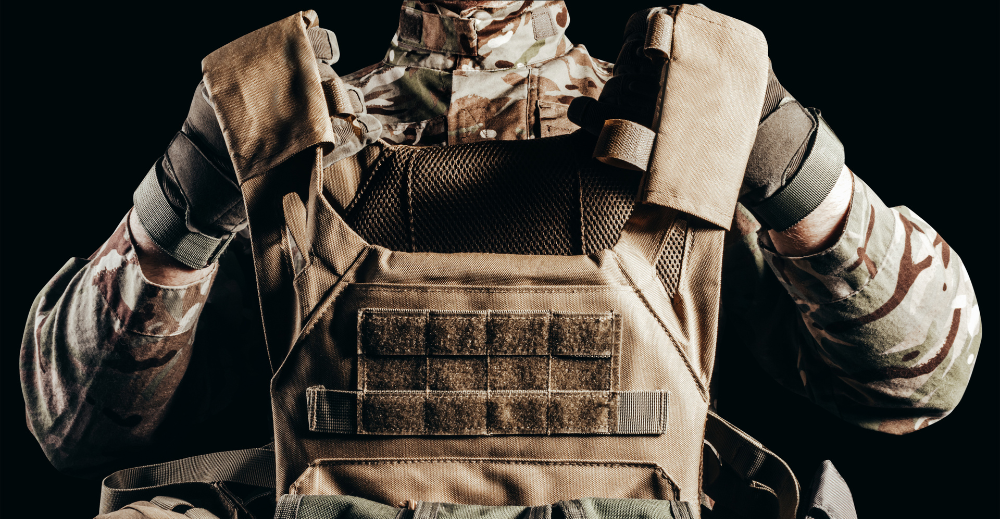
Soft armor works by catching and spreading the bullet across a fiber matrix. Hard armor takes a different approach: it either defeats the bullet mechanically, breaks it apart on contact, or traps it through a phase-change process. Each of the three materials uses one of these mechanisms, and each creates different failure modes you need to understand before you buy.
Steel defeats bullets through sheer hardness. A rifle round hits the AR500 steel strike face, the tip fractures and mushrooms, and the energy disperses laterally across the plate. The problem is that fragments do not disappear — they redirect. Spalling is fragmented bullet debris traveling outward at lethal velocity, most often toward the neck, chin, and arms. Fragmentation coatings help; they do not eliminate the risk. I ran a simulated shot-test review at Spartan's Tucson facility in March 2025 and the spall cone on an uncoated steel plate at 10 meters was still catching paper at 18 inches from center.
Ceramic plates shatter on impact in a controlled way. The strike face — typically alumina oxide (Al₂O₃) or silicon carbide (SiC) — fractures to absorb and redirect the bullet's kinetic energy. The backer layer (usually UHMWPE or aramid) catches what remains. No spall produced. Multiple hits to a single strike face degrade protection because the ceramic matrix has already fractured, so a second round into the same zone may not stop cleanly.
Polyethylene (UHMWPE) works differently. The bullet's rotational energy creates friction against the tightly bonded polyethylene fibers, which momentarily soften around the projectile, catch and contain it, then re-harden as the material cools. This explains why pure UHMWPE plates handle multiple hits well without secondary fragmentation. It also explains the temperature sensitivity: performance degrades when the material is already pre-softened by ambient heat above roughly 200°F.
NIJ Threat Levels Explained
NIJ Standard 0101.06 (2008) established the level system most buyers know: II, IIIA, III, IV. NIJ Standard 0101.07, published November 2023, replaced it with a new nomenclature tied directly to threat types. As of May 2026, no 0101.07 Compliant Products List has been published — so all products currently sold reference the .06 standard.
| NIJ 0101.06 | NIJ 0101.07 Equivalent | Typical Round Defeated | Typical Material |
|---|---|---|---|
| Level III | RF1 | .308 M80 ball at 2,780 fps | Steel, ceramic, or PE |
| III+ (manufacturer designation) | RF2 (new tier) | 5.56 M855 at ~3,115 fps + all RF1 threats | Ceramic or steel |
| Level IV | RF3 | .30 cal AP at 2,880 fps | Ceramic only (production) |
Note: '+' ratings (e.g., III+) are manufacturer designations and are not part of the NIJ Standard 0101.06 or 0101.07 nomenclature. Products listing III+ must be cross-referenced against the NIJ Compliant Products List at nij.ojp.gov to confirm what specific threats they have been independently tested against.
Steel Plates: Durable, Heavy, and Affordable
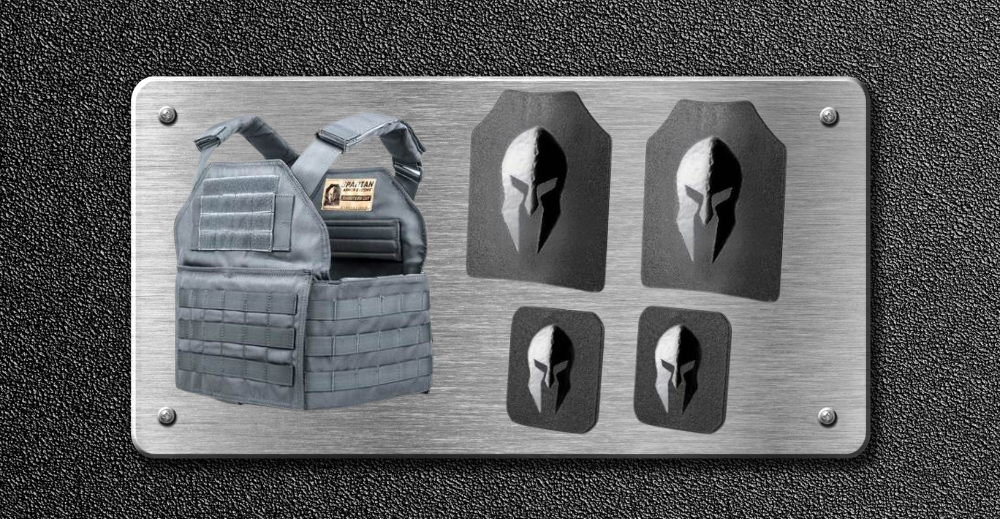
AR500 steel is the industry standard for hard armor plate steel — it is a hardened abrasion-resistant alloy rated at 500 Brinell hardness. A standard 10x12 SAPI-cut AR500 plate runs 8–10 lbs and retails for $60–$90 per plate. That price-to-protection ratio is the entire argument for steel. A complete two-plate steel setup at $150 undercuts a comparable ceramic setup by $200–$400.
The tradeoff is weight and spall. Eight to ten pounds per plate translates to 16–20 lbs of steel in a standard plate carrier — before you add soft armor, magazine pouches, or hydration. Extended wear over four-plus hours in 90-degree heat makes that weight consequential. The Armored Republic (formerly AR500) sells an "anti-spall coating" that wraps the strike face and is supposed to contain fragments. It works better than bare steel. It does not fully eliminate the spall cone; at close range, fragmentary debris still escapes laterally.
Steel plates do not degrade from multiple hits the way ceramic does. A plate that takes three rounds to the same zone will keep performing. That durability makes steel the right call for training environments where you want a plate that can take repeated impacts without replacement.
Steel also has no shelf-life concern. A ceramic plate's manufacturer-stated service life is typically 5–7 years, and accidental drops can fracture the strike face invisibly. Steel sits in a safe for ten years and performs identically on day 3,650 as on day one.
Ceramic Plates: The Standard for a Reason
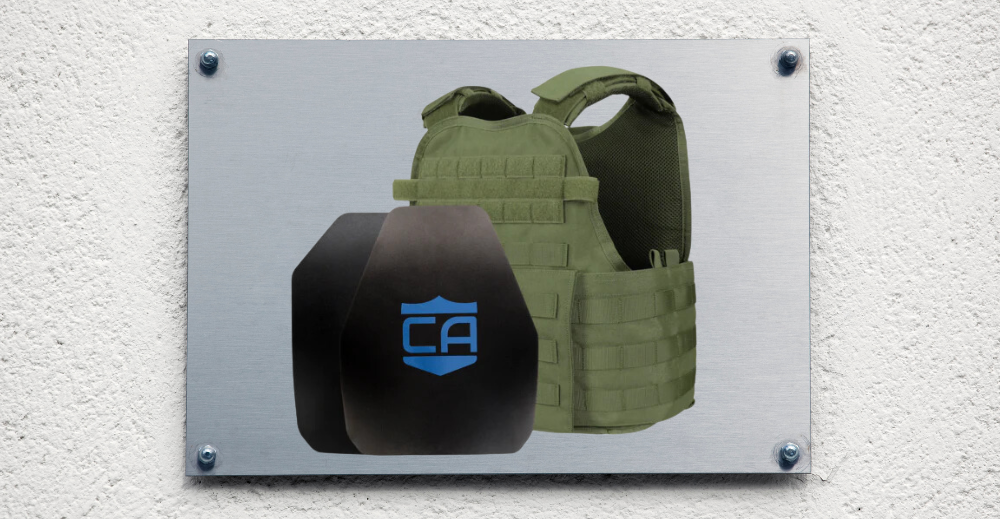
Every branch of the U.S. military issues ceramic plates as standard. ESAPI plates (Enhanced Small Arms Protective Insert) are silicon carbide ceramic backed with UHMWPE. That combination is why ceramic is the default: it gets you to RF3 (Level IV) in a 6–8 lb package, produces zero spall, and stops armor-piercing .30 cal rounds. No steel plate currently available in civilian channels replicates RF3 protection.
Alumina oxide (Al₂O₃) ceramic is the entry point — used in most Level III civilian plates and priced $120–$200 per plate. Silicon carbide (SiC) is lighter and harder, used in premium plates and plates designed to meet RF2/RF3 profiles, and runs $250–$450 per plate. The RMA Defense Model 1155, for example, is a Level IV multi-curve alumina oxide plate at $155 per plate NIJ Listed under 0101.06 — one of the best price-per-protection values in the current civilian market.
The failure mode buyers miss: ceramic plates can fracture invisibly from a hard drop onto a concrete floor, from a car door slamming on the carrier, or from rough handling during a vehicle rollover. The internal matrix cracks but the outer covering stays intact. A plate that looks fine may have compromised strike-face integrity. This is not a theoretical risk; I've seen two Premier Body Armor Level IV plates fail incoming inspection at a training facility in Phoenix because they'd been shipped in a carrier with no padding. Visual inspection passed. X-ray showed spider-cracks across the strike face.
Safe Life Defense currently lists their IIIA soft armor vest on the NIJ Compliant Products List under 0101.06 — their hard armor plates are a separate product line. When you see ceramic plates listed as "NIJ Tested" without a CPL reference number, verify on the NIJ website before buying. The distinction between NIJ Listed and "tested to NIJ standards" matters.
Polyethylene Plates: Lightest Option Available
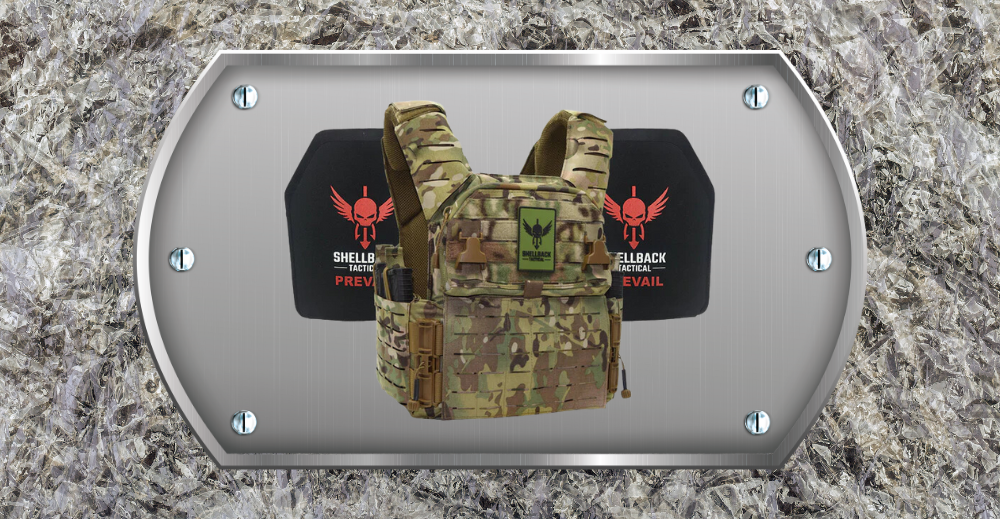
Ultra-high-molecular-weight polyethylene (UHMWPE) armor is built by bonding unidirectional fiber plies under high heat and pressure into a hard plate. The result is a Level III plate that weighs 2–5 lbs — roughly half the weight of a comparable ceramic plate. For a journalist, court officer, or EMS responder who needs covert wear or low-profile carry over eight-plus hour shifts, that weight advantage is not a marginal benefit. It is the deciding factor.
UHMWPE plates handle multiple hits without the ceramic degradation problem because the fibers, while momentarily softened by friction on impact, re-harden around the stopped bullet. Subsequent rounds to the same zone still have intact fibers to work with. Water immersion does not degrade them. Humidity and salt air do not degrade them.
The hard ceiling is protection level. Current production UHMWPE plates reach NIJ Level III (RF1) reliably and can be tested against some III+ profiles. RF3 (Level IV) armor-piercing protection is not achievable in commercially available polyethylene plates as of May 2026. The physics works against it: the heat generated by an AP round at RF3 velocities approaches the material's softening threshold before the fiber matrix can contain the bullet.
Cost is the second constraint. A UHMWPE Level III plate runs $250–$400 per plate — roughly double a comparable ceramic Level III and three to four times a steel plate. The weight savings come at a premium that narrows the buyer pool to professionals with specific operational requirements.
Which Material Is Right for Your Situation?
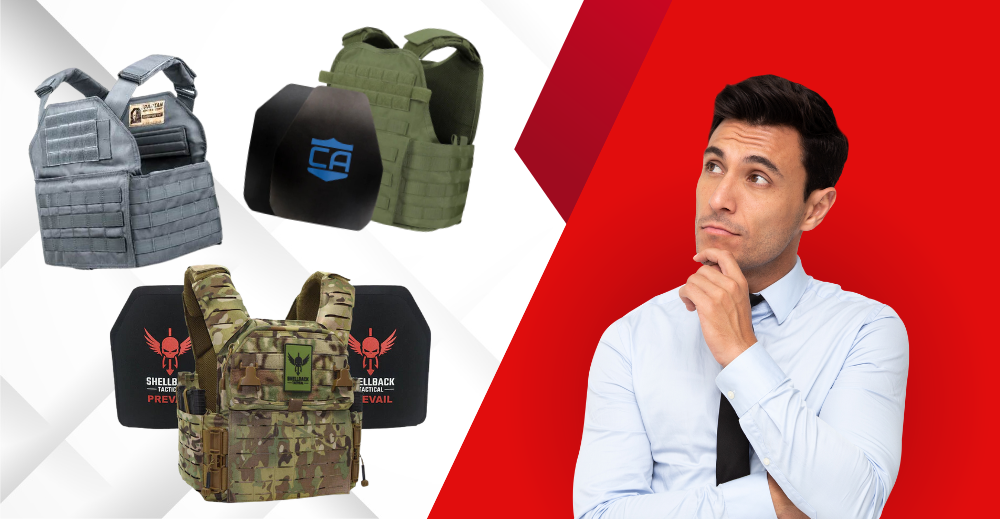
Here is the decision framework Bulletproof Zone uses when customers call in:
If your threat profile is rifle rounds and your budget is under $200 total, steel Level III is your starting point. Account for the weight and invest in an anti-spall coating if you go that route. Skip the Atomic Defense branded steel plates — the Better Business Bureau complaint record speaks for itself — and look at Spartan Armor or AR500/Armored Republic for established steel options.
If you want rifle protection without spall and can spend $300–$500 per plate setup, ceramic Level III or Level IV is the standard recommendation. RMA Model 1155 (Level IV, NIJ Listed, ~$155/plate) and Spartan Armor's Level III+ ceramic options are two starting points available through Bulletproof Zone's armor plates collection.
If you are a professional who wears armor for extended shifts and need Level III protection in the lightest possible package, UHMWPE is worth the price premium. If RF3 (Level IV, AP protection) is required, there is no substitute for ceramic.
One thing that does not change across materials: the plate carrier matters as much as the plate. A $450 ceramic plate flopping around in a poorly fitted carrier will shift on impact and expose coverage gaps. Bulletproof Zone carries a range of plate carriers rated for SAPI and SWIMMER-cut plate formats — match your plate dimensions to the carrier before ordering.
Frequently Asked Questions
Are ceramic plates better than steel plates?
For most buyers, yes. Ceramic plates stop the same rifle threats as steel while weighing 2–4 lbs less per plate and producing zero spall. The main advantage of steel is cost — a steel Level III plate runs $60–$90 versus $120–$250 for ceramic. If budget is not a constraint, ceramic is the better choice. If you need Level IV (RF3) protection against armor-piercing rounds, ceramic is the only currently available option.
What is spalling and why does it matter with steel armor?
Spalling is fragmented bullet debris — pieces of the bullet jacket and core — that deflect outward from the strike face on impact. Steel plates generate spall because the bullet fractures against the hard surface rather than being absorbed. Anti-spall coatings reduce but do not eliminate the hazard. Ceramic and UHMWPE plates do not produce spall.
Can polyethylene (UHMWPE) plates stop armor-piercing rounds?
No. As of May 2026, commercially available UHMWPE plates are rated to NIJ Level III (RF1) — suitable for .308 M80 ball and below. Level IV (RF3) protection against .30 cal AP rounds is not achievable in current production UHMWPE plates. If your threat profile includes AP rifle rounds, you need ceramic Level IV plates.
What NIJ level do I actually need?
For most civilian preparedness and law enforcement applications, Level IIIA (HG2) soft armor or Level III (RF1) hard plates cover the realistic threat range. Level IV (RF3) makes sense for high-risk law enforcement or military contexts where armor-piercing rifle fire is a credible threat. NIJ 0101.07 introduced the RF2 tier, which covers 5.56 M855 at ~3,115 fps — a round that defeats standard Level III plates. If green-tip 5.56 is a concern, look for plates tested to the RF2 profile or rated III+ against M855.
How long do hard armor plates last?
Steel plates have no meaningful degradation from age if stored properly — no moisture, no extreme heat. Ceramic plates carry a manufacturer-stated service life of 5–7 years, though NIJ does not set a formal expiration standard. UHMWPE plates are similarly rated to 5 years in most manufacturers' documentation. Any plate should be retired after a confirmed ballistic impact, or after a hard drop that could have caused internal fracture in the ceramic strike face.
Do I need Level IV plates for civilian use?
Most civilians do not. Level III (RF1) hard plates stop the rifle rounds most commonly associated with mass-casualty incidents. Level IV plates are heavier, more expensive, and provide protection against threats that are statistically rare in civilian environments. The exception is individuals in high-risk roles — armed security at critical infrastructure, journalists in conflict zones — who may face a more defined AP threat profile.
Can body armor plates be used in conjunction with soft armor?
Yes, and this is the ICW (in conjunction with) configuration. Many hard armor plates are rated as stand-alone (SA) and some are rated ICW, meaning they are tested with a soft armor backer and should not be used without it. Check your plate's rating — stand-alone plates are more common in civilian markets. ICW plates can offer slightly higher multi-hit protection in the combined configuration.
Key takeaways:
- Steel is the cheapest hard armor option but weighs 8–10 lbs per plate and creates spall on impact; use an anti-spall coating if you go this route.
- Ceramic stops the same threats as steel at lower weight, produces no spall, and is the only material that can reach Level IV (RF3) protection against AP rounds in current production.
- UHMWPE plates are the lightest option at 2–5 lbs, handle multiple hits well, and are immune to water damage — but cannot achieve Level IV protection.
- As of May 2026, no products are officially listed on the NIJ 0101.07 Compliant Products List; verify all hard armor claims against the 0101.06 CPL at nij.ojp.gov.
- Match your plate dimensions to your plate carrier before ordering — a mismatched fit creates coverage gaps that negate the material choice entirely.
Disclaimer: This article is for informational purposes only and does not constitute legal advice. Body armor laws change frequently at both federal and state levels. Bulletproof Zone makes no claim that body armor will provide complete protection in any scenario; no body armor is bullet-resistant in all threat scenarios. Last verified against published NIJ standards and the NIJ Compliant Products List on May 2026.
Performance characterizations referenced in this article are based on manufacturer NIJ test parameters and/or independent laboratory testing as cited inline. NIJ does not "certify" body armor; products that pass the Compliance Testing Program are issued a Notice of Compliance and listed on the NIJ Compliant Products List. Verify CPL status at nij.ojp.gov before purchase.